
Water Damage Restoration in Port St. Lucie, FL
Water Damage Restoration in Port St. Lucie, FL
24/7 emergency water damage help in Port St. Lucie, FL — fast water extraction, structural drying and cleanup from local licensed pros.
When you need water damage restoration in Port St. Lucie, you live in one of Florida’s fastest-growing cities, where whole subdivisions are younger than the water heaters inside them. WaterDamageGo connects Port St. Lucie homeowners with local licensed pros who handle extraction, structural drying, and cleanup, starting with one call at any hour of the day or night.
The city stretches from the St. Lucie River and its North Fork west through Tradition and St. Lucie West, a patchwork of 1980s Florida ranch homes and brand-new construction. Good water damage restoration in Port St. Lucie starts with finding the true source, because here a tropical storm, a canal, and a builder-grade appliance can all produce the same wet floor.
📞 Call Now - 24/7 Help in Port St. Lucie: +1 (844) 954-0617What to do first if you find water damage in Port St. Lucie
Shut off the water at the main valve if a pipe or appliance is leaking, and switch off power to any wet room when it is safe. Photograph the damage before moving anything, keep children and pets away from the water, and call the same day, because mold can begin within 24 to 48 hours. Good water damage restoration in Port St. Lucie protects your floors, walls, and furniture from long-term harm.
Water damage services in Port St. Lucie
Water Extraction
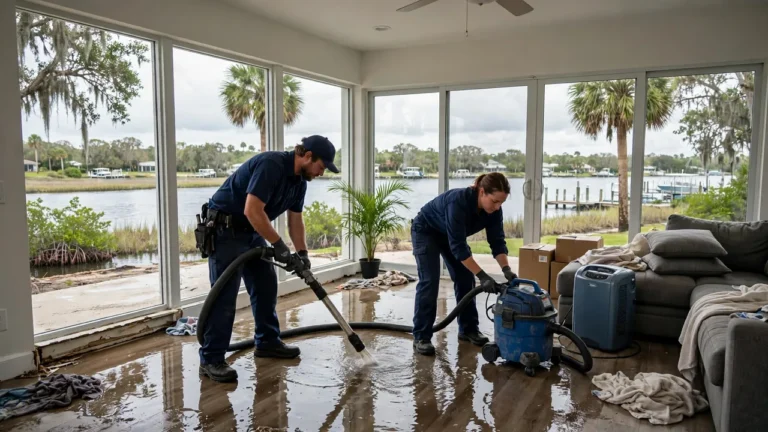
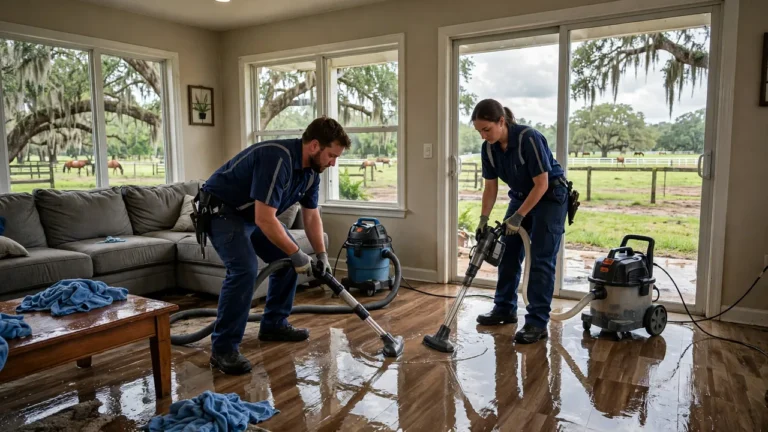
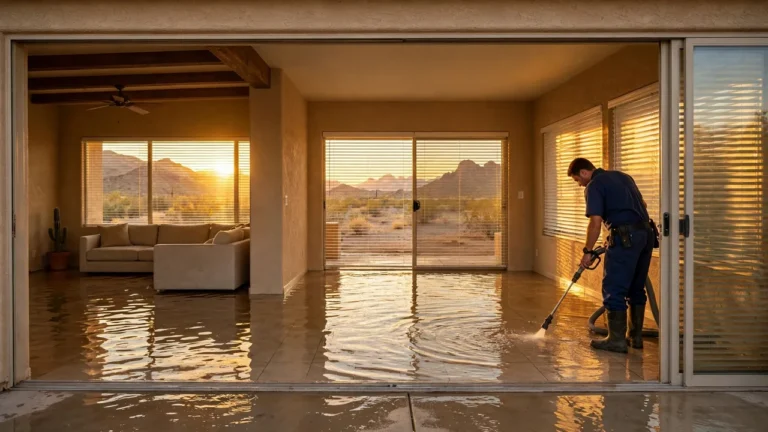
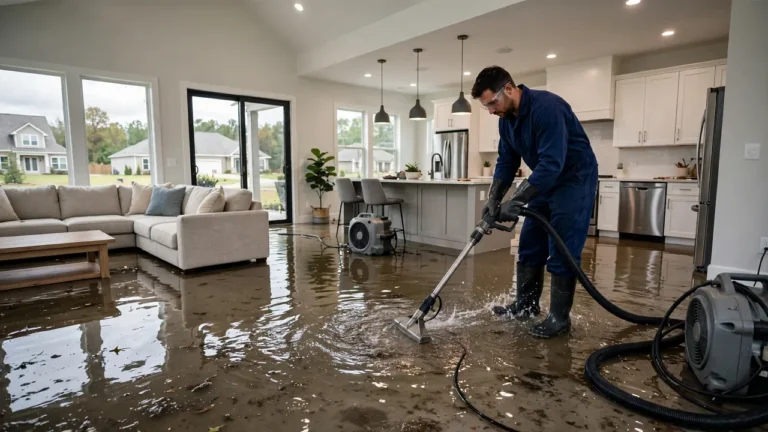
Crews remove standing water with pumps and extraction tools, then pull moisture from tile, carpet, laminate, and hard floors. Quick removal is the foundation of effective water damage restoration, because every hour of standing water pushes moisture deeper into subfloors and wall bases.
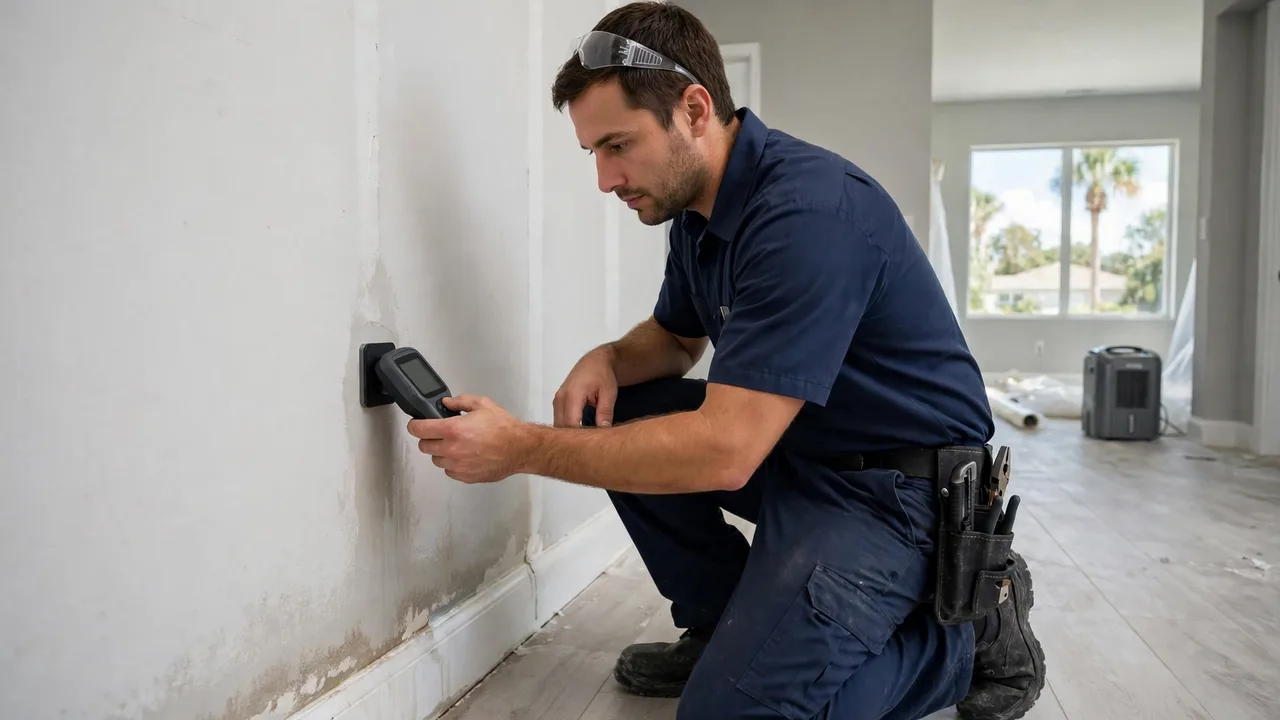
Structural Drying & Dehumidification
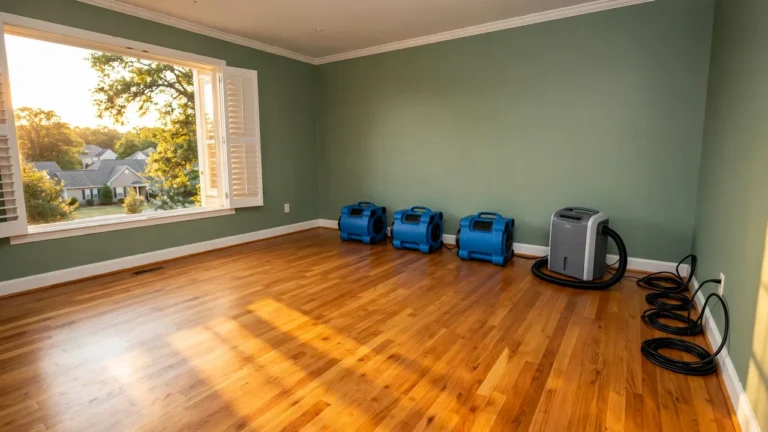
Industrial air movers and dehumidifiers dry framing, drywall, and flooring after extraction. Technicians set equipment by room size and moisture levels, then return to measure progress until readings reach normal. When you call for water damage restoration in Port St. Lucie, ask about response time, equipment, and the drying process.
Flood Cleanup
When river, canal, or street water enters a home, crews remove silt and debris, take out unsalvageable materials, and clean and treat affected surfaces. The home is dried thoroughly before repairs are discussed.
Burst Pipe Water Damage
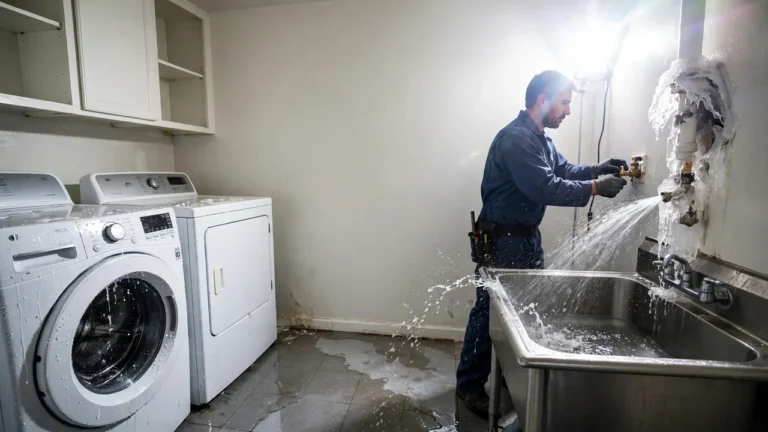
Freeze bursts are not the local story; here it is fittings, flex lines, and water heaters failing in homes built fast during boom years. After the water is stopped, crews extract, dry inside walls when needed, and document the damage. Water damage restoration in Port St. Lucie covers extraction, drying, cleanup, and moisture checks from start to finish.
Sewage Cleanup
Sewer and lift-station backups during heavy rain require protective equipment, controlled removal, and full disinfection of affected areas. Porous items touched by sewage are usually removed rather than cleaned, for health reasons.
Mold Remediation
Treasure Coast warmth and humidity let mold establish inside walls, closets, and under flooring quickly after a leak. Pros contain the area, remove affected material, and clean surrounding surfaces safely. Homeowners choose water damage restoration in Port St. Lucie to stop mold growth before it starts spreading.
Common causes of water damage in Port St. Lucie
Hurricanes anchor the risk. Frances and Jeanne hit the Treasure Coast back to back in 2004, and the lesson stuck: canals fill, the St. Lucie River rises, and days of tropical rain test every roof in the city. When a storm targets this coast, water damage restoration calls climb across St. Lucie County.
The canal system is the everyday second factor. Canals thread most neighborhoods, drainage runs through swales in front yards, and in a hard afternoon storm the water in the street can reach the garage before it recedes, soaking wall bases and stored items. With water damage restoration in Port St. Lucie, the goal is simple: remove the water, dry the structure, and make the home safe again.
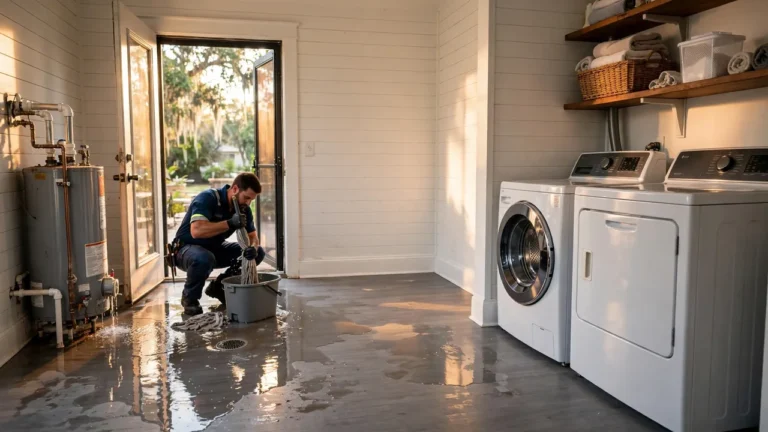
Appliance and water heater failures lead the non-storm list. A large share of homes were built in fast-growth waves with builder-grade fixtures now reaching the end of their service life at roughly the same time, so heater and hose failures are constant across the city.
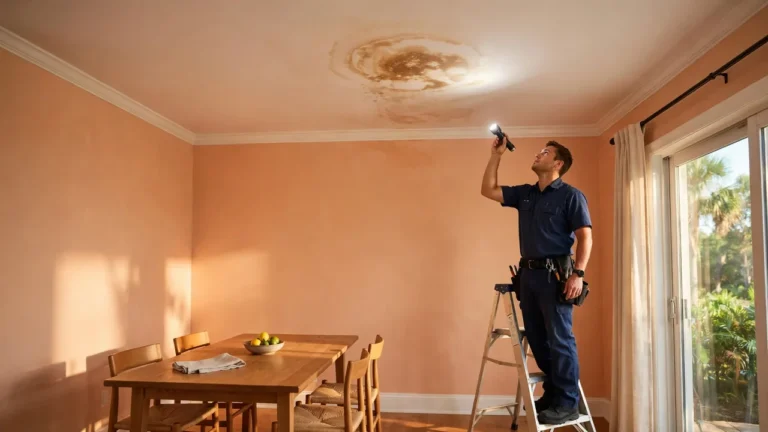
AC condensate overflows finish the picture. Systems run most of the year, drain lines clog quietly, and the first sign is often a ceiling stain or a musty closet weeks into the leak. Water damage restoration in Port St. Lucie also checks for hidden moisture behind walls and under floors.
How much does water damage restoration cost in Port St. Lucie?
The ranges below reflect typical Port St. Lucie jobs and are meant as a planning guide, not a quote. A local pro will measure the affected area, identify the water source, and confirm the full scope in person before work begins, so you know what you are paying for.
| Job type | Typical range in Port St. Lucie |
|---|---|
| Small job (one room, clean water) | $575–$1,450 |
| Average job (several rooms) | $1,525–$5,200 |
| Large or severe job (whole home, sewage or mold) | $5,900–$15,600 |
What changes the price in Port St. Lucie
- Area size — drying one bedroom is a very different job from drying a whole home after a tropical storm.
- Water type — clean water from a supply line needs less protective handling than canal water or sewage.
- How long water sat — a leak caught the same day may need drying only, while older damage often needs removal and repairs.
- Materials damaged — tile tolerates water well, but the laminate floors common in local subdivisions usually cannot be saved, which raises the repair side.
Our water damage restoration process
Step 1 – Call and dispatch
One call, any hour, starts the process. You describe the leak or flood, a nearby pro is dispatched, and on arrival the crew begins water damage restoration by locating the source, checking for safety issues, and measuring how far moisture has traveled. After a leak or flood, Water damage restoration in Port St. Lucie gives you one clear path from cleanup to full recovery.
Step 2 – Inspection and moisture mapping
Meters and imaging tools map moisture in floors, walls, and ceilings, including spots that look dry on the surface. The crew photographs the damage and walks you through a clear plan and timeline.
Step 3 – Extraction, drying and cleaning
Pumps and vacuums remove standing water, then drying equipment runs until moisture readings reach normal levels. Affected surfaces are cleaned and treated, and unsalvageable material is removed in a controlled way. The best Water damage restoration in Port St. Lucie combines quick action, honest pricing, and careful follow-up checks.
Step 4 – Restoration and insurance documentation
After drying, repairs such as drywall patching, flooring replacement, and painting are handled or coordinated. You receive a documented file with photos, readings, and a list of completed work.
Why homeowners in Port St. Lucie call WaterDamageGo
Port St. Lucie homeowners call WaterDamageGo because a single number works around the clock, from Tradition and St. Lucie West to the riverfront neighborhoods along the North Fork. You are connected with local licensed pros who know canal drainage, slab construction, and Treasure Coast storm patterns, and who explain water damage restoration honestly, without scare tactics or padded scopes. During water damage restoration in Port St. Lucie, technicians track moisture levels until the structure is fully dry.
Crews serve neighborhoods across the city, including Torino, Sandpiper Bay, and the growing southwest corridor. You get careful insurance documentation, straight guidance about what truly needs repair, and a crew that treats a one-room leak with the same seriousness as a whole-home flood.
Water damage restoration FAQs
Street water reached my garage during a storm. Should I worry about the house?
Check the wall your garage shares with the house and any door between them. Water wicks from a wet garage slab into the base of the interior wall, and stored items against that wall stay wet longest. If the water stood more than a few hours or reached stored belongings, a moisture check at that wall is cheap insurance against finding mold there next month. Water damage restoration in Port St. Lucie matters most in the first 24 hours, when fast drying prevents the worst damage.
My home was built in 2005. Which water parts should I replace before they fail?
Start with the water heater if it is original — it is at or past its expected life — plus washing machine hoses, toilet supply lines, and the ice maker line. These flexible parts fail more often than the pipes themselves. Braided stainless hoses and a heater with a drain pan and alarm turn the most common local disaster into a maintenance errand.
Does homeowners insurance cover canal flooding?
No. Water that rises from a canal, river, or street into your home is flood damage, which standard policies exclude everywhere in Florida. Only a flood insurance policy covers it. A burst pipe inside the home during the same storm is a separate and usually covered event, so the crew documents the source of every area of damage individually. Water damage restoration in Port St. Lucie should start fast, because standing water causes more damage with every passing hour.
How do crews handle a sewage backup from a lift station problem?
As a full sewage job: protective equipment, extraction, removal of porous materials that were touched, and disinfection of every affected surface. Do not run water in the house until the city or your plumber confirms the line is clear, or the backup can repeat mid-cleanup. Report the event to the utility as well — neighborhood-level problems sometimes affect several homes at once.
Why does the crew measure moisture in rooms that never got wet?
Those readings set the dry standard for your home. Every house has a normal moisture level that varies with materials and season, and the goal of drying is to return wet rooms to your home’s own baseline — not to an arbitrary number. Comparing against untouched rooms is also how the crew proves to your insurer that the structure is truly dry.
A leak or flood in Port St. Lucie rarely fixes itself, and waiting usually turns a drying job into a rebuilding job. One call connects you with a local licensed pro who can inspect the damage, explain the next steps in plain language, and start work sized to what your home truly needs. When you are ready, reach out and get Port St. Lucie water damage restoration started with a local pro you can trust.
📞 Call Now - 24/7 Help in Port St. Lucie: +1 (844) 954-0617Related help: explore our water damage services, see all service areas, or find help nearby in Water Damage Restoration in Melbourne, FL, Water Damage Restoration in Palm Bay, FL, Water Damage Restoration in West Palm Beach, FL.
Port St. Lucie’s High Water Table Makes Small Leaks Big
Port St. Lucie is crossed by canals and sits close to the St. Lucie River, so the ground here holds a lot of water even in dry months. During hurricane season and the long summer rains, that high water table pushes moisture toward slab foundations and through tiny cracks that stay invisible in winter.
Most homes in the city are single-story ranch houses on concrete slabs. A leaking supply line or a clogged air conditioner drain can wet the flooring and the bottom of the walls long before a homeowner notices a soft spot or a musty smell. Warm, humid air then feeds mold growth inside wall cavities and under vinyl and laminate floors.
The fix starts with finding every wet material, not just the visible stain. Crews extract standing water, lift damaged flooring where needed, and dry the slab and wall bases with dehumidifiers until moisture readings return to normal.
If you are in Sarasota and dealing with the same problem, our water damage restoration in Sarasota team is ready to help there too, with the same fast response and careful cleanup. We handle water extraction, structural drying, and full cleanup for homes and small businesses, and we explain every step before we start, so you always know what happens next, what it costs, and how long it should take.