Water Damage Restoration in Columbus, GA
Water Damage Restoration in Columbus, GA
24/7 emergency water damage help in Columbus, GA — fast water extraction, structural drying and cleanup from local licensed pros.
When you need water damage restoration in Columbus, you are in a Chattahoochee River city where historic districts, military families, and hard summer storms all shape how water gets into homes. WaterDamageGo connects Columbus homeowners with local licensed pros who handle extraction, structural drying, and cleanup, starting with one call at any hour of the day or night.
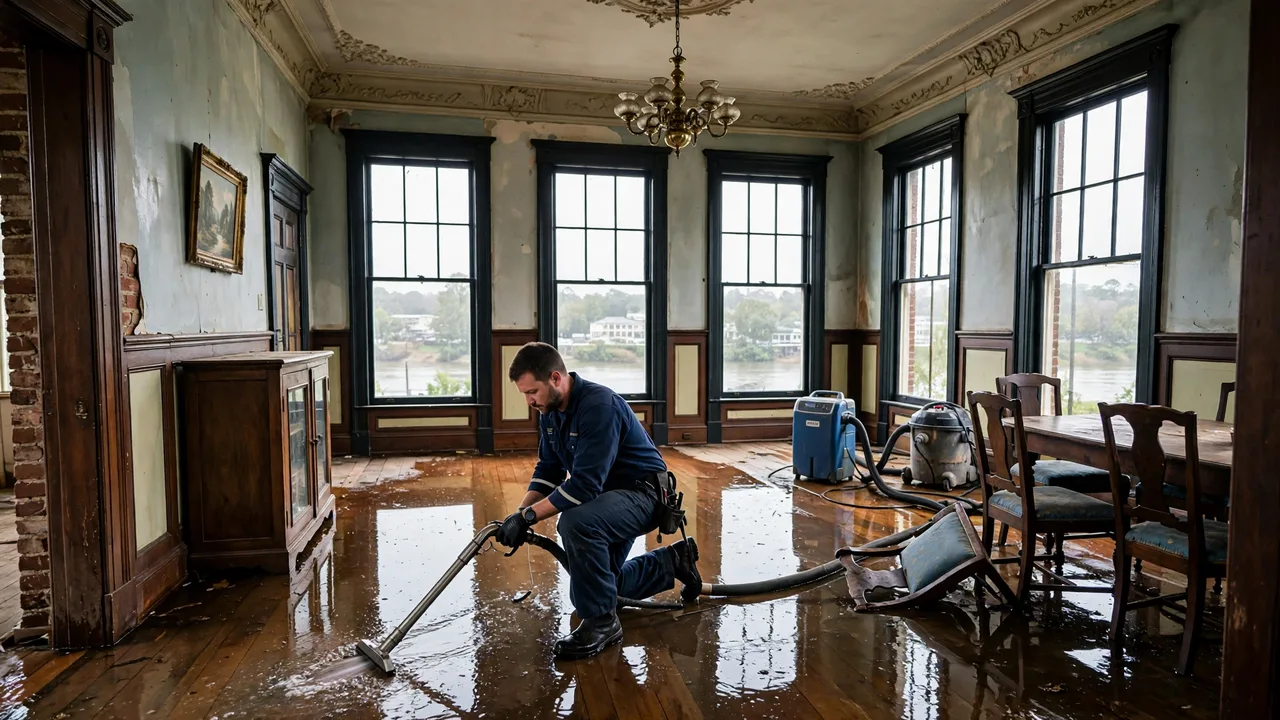
Columbus pairs gracious historic homes in Wynnton and around Lakebottom with family neighborhoods across North Columbus and steady growth tied to Fort Moore. Good water damage restoration in Columbus starts with finding the true source, because a century-old Wynnton house and a newer subdivision home hide water in very different places.
📞 Call Now - 24/7 Help in Columbus: +1 (844) 954-0617What to do first if you find water damage in Columbus
Shut off the water at the main valve if a pipe or appliance is leaking, and switch off power to any wet room when it is safe. Photograph the damage before moving anything, keep children and pets away from the water, and call the same day, because mold can begin within 24 to 48 hours.
Water damage services in Columbus
Water Extraction
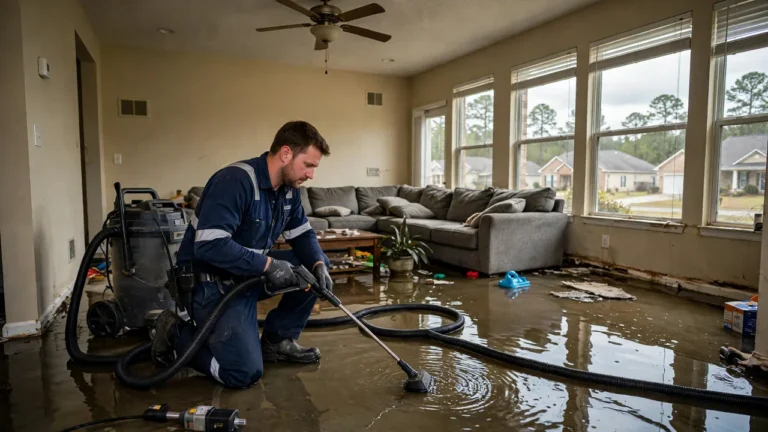
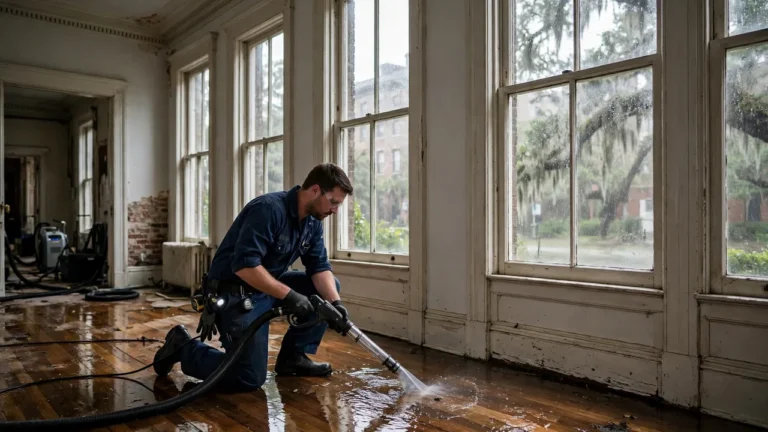
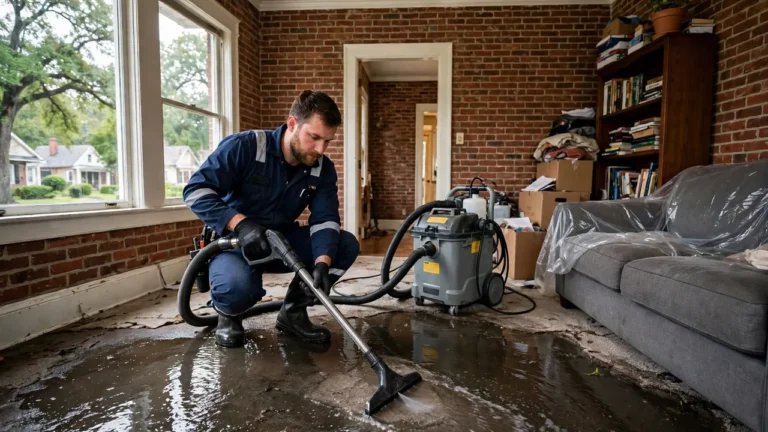
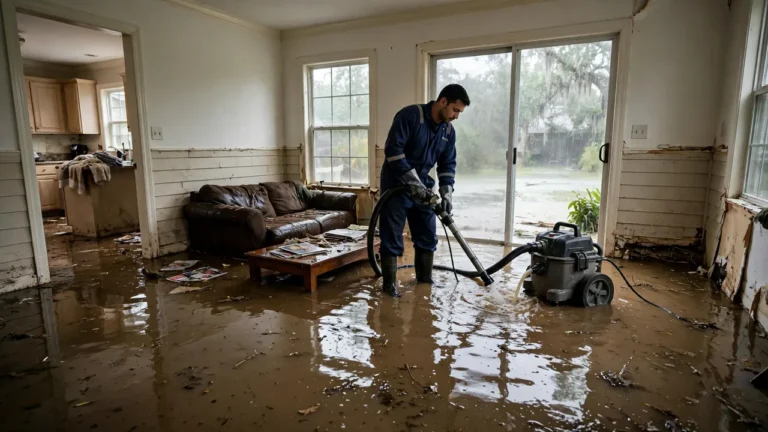
Crews remove standing water with pumps and extraction tools, then pull moisture from carpet, pad, and hard floors. Quick removal is the foundation of effective water damage restoration, because every hour of standing water pushes moisture deeper into subfloors and wall bases.
Structural Drying & Dehumidification
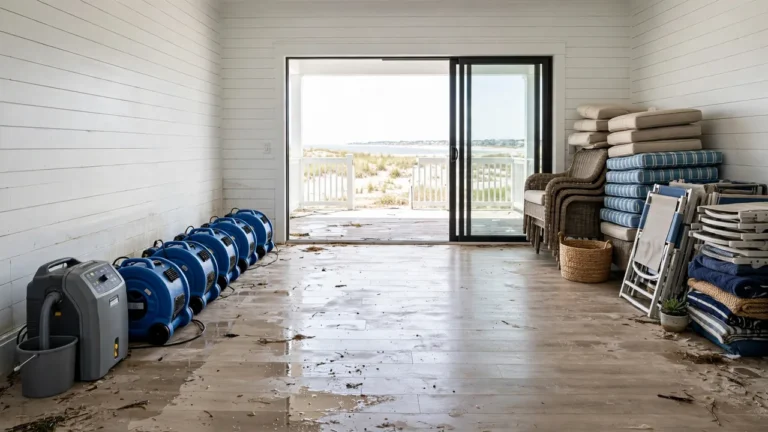
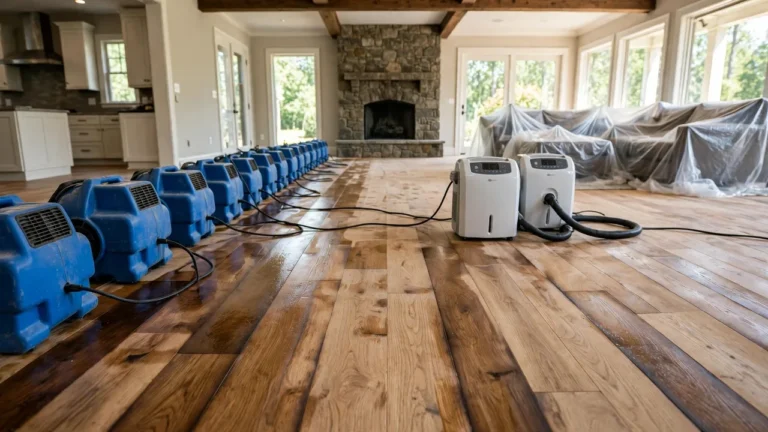
Industrial air movers and dehumidifiers dry framing, drywall, and flooring after extraction. Technicians set equipment by room size and moisture levels, then return to measure progress until readings reach normal.
Flood Cleanup
When flood water or storm runoff enters a home, crews remove silt and debris, take out unsalvageable materials, and clean and treat affected surfaces. In Columbus that often means Chattahoochee River water or storm runoff pushing in from low banks, so crews remove silt carefully and treat surfaces against what river water leaves behind. The home is dried thoroughly before repairs are discussed.
Burst Pipe Water Damage
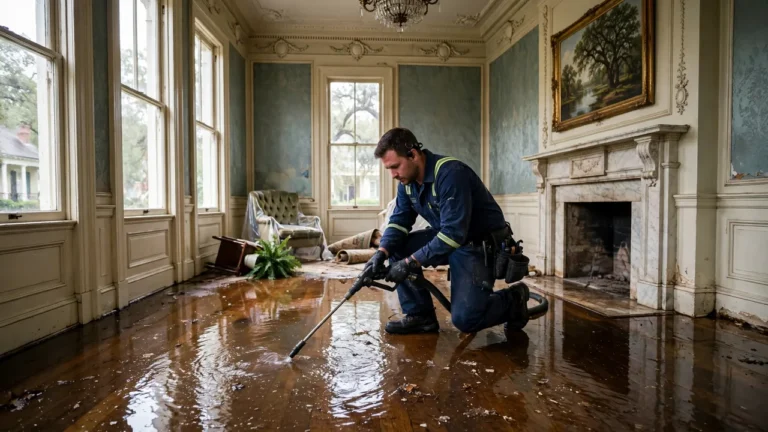
Older homes in Wynnton and around Lakebottom still carry aging supply lines and early copper that can split or pinhole without warning. After the water is stopped, crews extract, dry inside walls when needed, and document the damage for your records.
Sewage Cleanup
Sewer backups require protective equipment, controlled removal, and full disinfection of affected areas. Porous items touched by sewage are usually removed rather than cleaned, for health reasons.
Mold Remediation
River-valley humidity keeps wet materials damp longer than owners expect, giving mold a head start inside walls, closets, and under floors. Pros contain the area, remove affected material, and clean surrounding surfaces safely.
Common causes of water damage in Columbus
The Chattahoochee River is Columbus’s western edge and its biggest water risk. Long rains upstream swell the river and its creeks, and low neighborhoods near the banks and along Bull Creek and Weracoba Creek take flooding first; water damage restoration calls climb in those same blocks after every major rise.
Severe spring and summer storms are close behind. Columbus sits in a corridor that sees tornadoes and violent thunderstorms, and a torn roof or a window blown in can soak an entire upper floor in one night of rain.
The historic housing stock brings plumbing risk. Galvanized lines, aging cast iron, and water heaters past their service life are common in the older districts, and slow leaks behind plaster can run for months before a stain or a soft floor gives them away.
Appliance failures round out the list in the family neighborhoods: dishwasher and washing machine hoses let go, refrigerator lines crack, and second-floor laundry rooms turn small leaks into multi-room jobs.
How much does water damage restoration cost in Columbus?
The ranges below reflect typical Columbus jobs and are meant as a planning guide, not a quote. A local pro will measure the affected area, identify the water source, and confirm the full scope in person before work begins, so you know what you are paying for.
| Job type | Typical range in Columbus |
|---|---|
| Small job (one room, clean water) | $525–$1,300 |
| Average job (several rooms) | $1,350–$4,750 |
| Large or severe job (whole home, sewage or mold) | $5,200–$14,000 |
What changes the price in Columbus
- Area size – drying one bedroom is a very different job from drying a whole ground floor and hallway.
- Water type – clean water from a supply line needs less protective handling than river flood water or sewage.
- How long water sat – a leak caught the same day may need drying only, while older damage often needs removal and repairs.
- Materials damaged – hardwood, laminate, cabinets, and drywall raise the cost more than concrete and tile, which tolerate water better.
Our water damage restoration process
Step 1 – Call and dispatch
One call, any hour, starts the process. You describe the leak or flood, a nearby pro is dispatched, and on arrival the crew begins water damage restoration by locating the source, checking for safety issues, and measuring how far moisture has traveled.
Step 2 – Inspection and moisture mapping
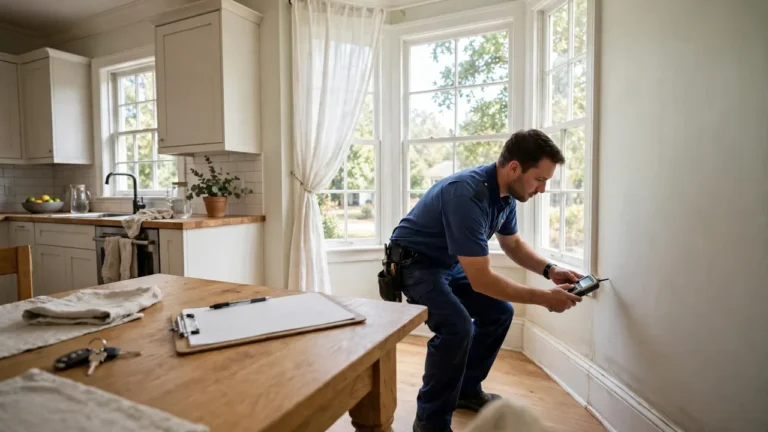
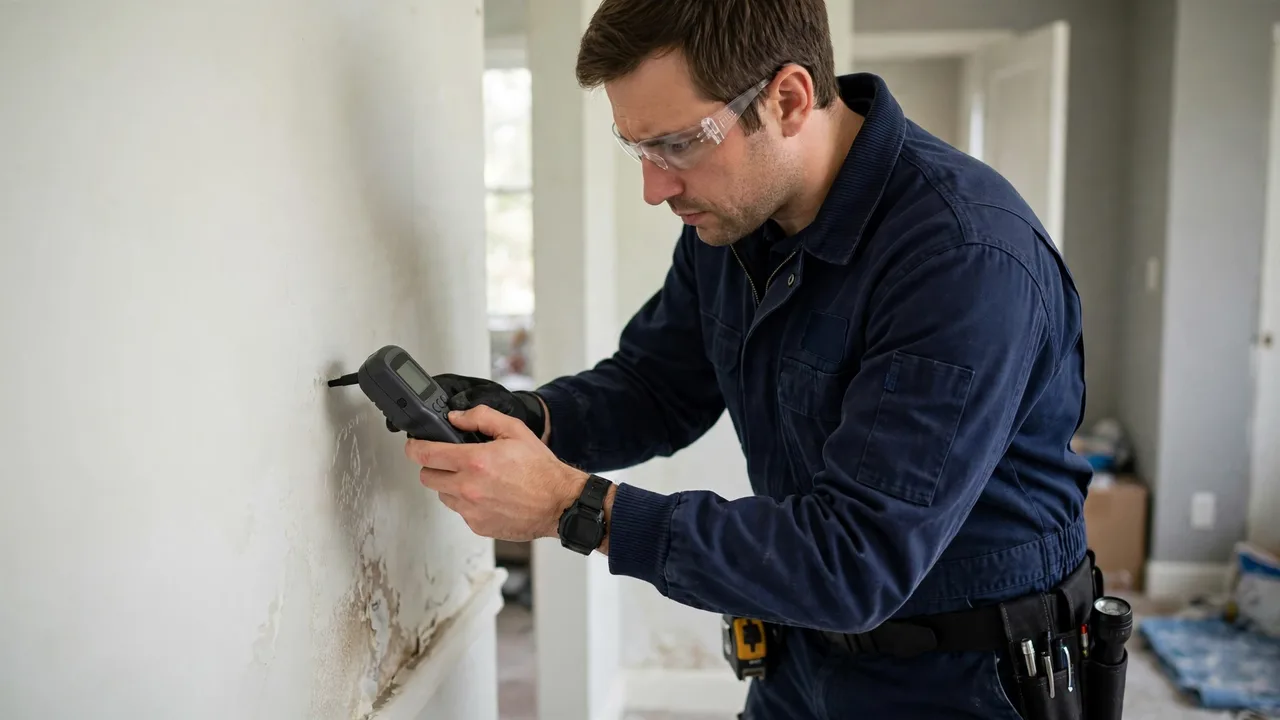
Meters and imaging tools map moisture in floors, walls, and ceilings, including spots that look dry on the surface. The crew photographs the damage and walks you through a clear plan and timeline.
Step 3 – Extraction, drying and cleaning
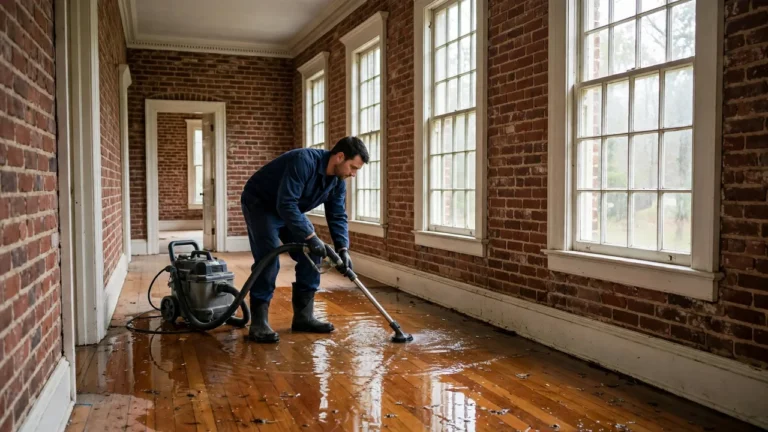
Pumps and vacuums remove standing water, then drying equipment runs until moisture readings reach normal levels. Affected surfaces are cleaned and treated, and unsalvageable material is removed in a controlled way.
Step 4 – Restoration and insurance documentation
After drying, repairs such as drywall patching, flooring replacement, and painting are handled or coordinated. You receive a documented file with photos, readings, and a list of completed work.
Why homeowners in Columbus call WaterDamageGo
Columbus homeowners and military families call WaterDamageGo because one number works around the clock, even during a PCS move when a house sits empty and a leak can run for days. You are connected with local licensed pros who know the river neighborhoods and the historic districts, and who explain water damage restoration honestly, without scare tactics or padded scopes.
Crews serve neighborhoods across the city, from Wynnton and Lakebottom to Midtown, East Highland, Bibb City, and North Columbus. You get careful insurance documentation, straight guidance about what truly needs repair, and a crew that treats a one-room leak with the same seriousness as a river-flooded ground floor.
Water damage restoration FAQs
Does my policy cover Chattahoochee River flooding?
River water that rises and enters from outside counts as flood damage, which standard homeowners policies exclude; only a separate flood policy covers it. Water from a burst pipe or failed appliance inside the home is usually covered when it is sudden. A pro documents exactly where the water came from on the first visit, which is what your insurer will ask.
A storm tore shingles off my roof and rain got in. What matters most in the first day?
Safety first, then documentation: photograph the roof damage and every wet room before cleanup, and keep receipts for any emergency tarp work. Extraction and drying should start as soon as the roof is temporarily covered, because wet insulation and drywall begin growing mold within 24 to 48 hours.
How do crews dry plaster walls in a historic Columbus home?
Carefully and slowly. Plaster holds moisture longer than drywall, so crews use gentle, longer drying with frequent meter readings, and they vent wall cavities through small hidden holes when needed. The goal is to save original plaster whenever readings allow, since replacing it changes the character and the cost of the room.
We are a military family and our Columbus home sits empty between tenants. How do we catch leaks?
Shut the water off at the main when the home will be empty for more than a few days, and ask your property manager to walk the home monthly with photos of under-sink cabinets and the water heater. Smart leak sensors cost little and send alerts to your phone from anywhere, which matters when you are stationed somewhere else.
Why does the crew check rooms that never got wet?
Moisture travels. Water wicks sideways through wall bases, under flooring, and along joists into rooms that look untouched, and humidity from a flooded area can condense in adjacent closets. Meter readings in neighboring rooms confirm the true boundary of the damage, so nothing wet gets sealed in and turns into a mold problem later.
A leak or flood in Columbus rarely fixes itself, and waiting usually turns a drying job into a rebuilding job. One call connects you with a local licensed pro who can inspect the damage, explain the next steps in plain language, and start work sized to what your home truly needs. When you are ready, reach out and get water damage restoration in Columbus started with a local pro you can trust.
📞 Call Now - 24/7 Help in Columbus: +1 (844) 954-0617Related help: explore our water damage services, see all service areas, or find help nearby in Water Damage Restoration in Macon, GA, Water Damage Restoration in Warner Robins, GA, Water Damage Restoration in Athens, GA.