Water Damage Restoration in Dayton, OH
Water Damage Restoration in Dayton, OH
24/7 emergency water damage help in Dayton, OH — fast water extraction, structural drying and cleanup from local licensed pros.
When you need water damage restoration in Dayton, you are at the meeting of four rivers, in the city that answered the Great Flood of 1913 by engineering one of the most famous flood-control systems in America. WaterDamageGo connects Dayton homeowners with local licensed pros who handle extraction, structural drying, and cleanup, starting with one call at any hour of the day or night.
Dayton pairs the historic districts of the Oregon District, St. Anne’s Hill, and Grafton Hill with Five Oaks, the hillside neighborhoods above the rivers, and suburbs reaching toward Kettering and Riverside. Good water damage restoration in Dayton starts with finding the true source, because this city’s water can arrive from a river, a hillside, or the plumbing of a 120-year-old house.
📞 Call Now - 24/7 Help in Dayton: +1 (844) 954-0617What to do first if you find water damage in Dayton
Shut off the water at the main valve if a pipe or appliance is leaking, and switch off power to any wet room when it is safe. Photograph the damage before moving anything, keep children and pets away from the water, and call the same day, because mold can begin within 24 to 48 hours.
Water damage services in Dayton
Water Extraction
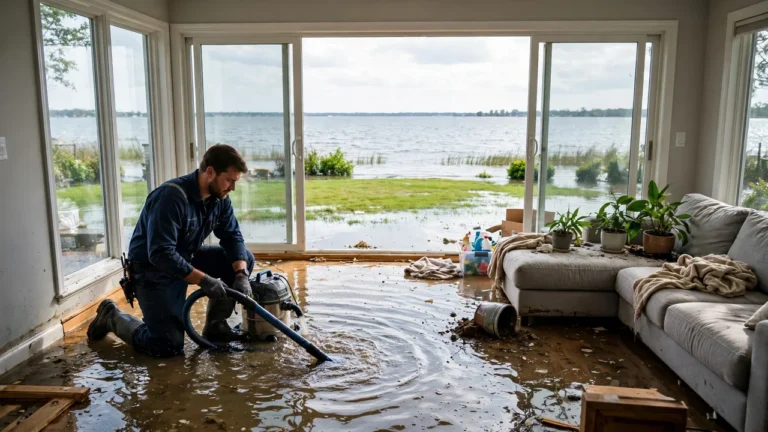
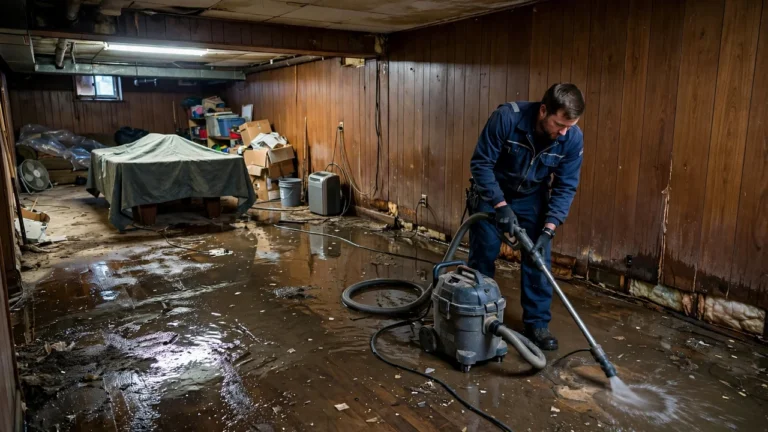
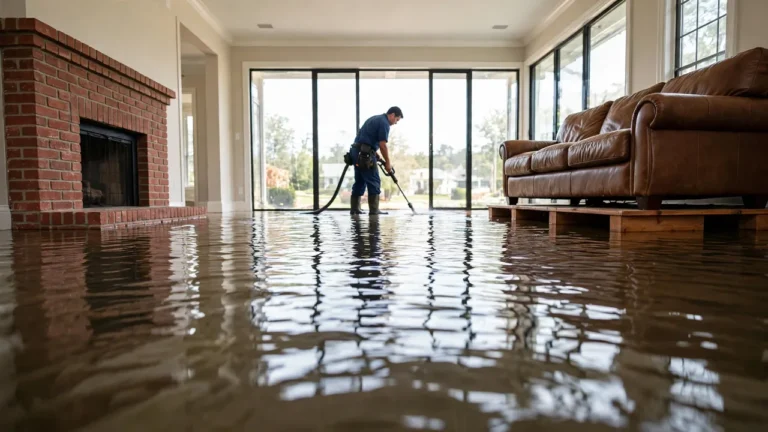
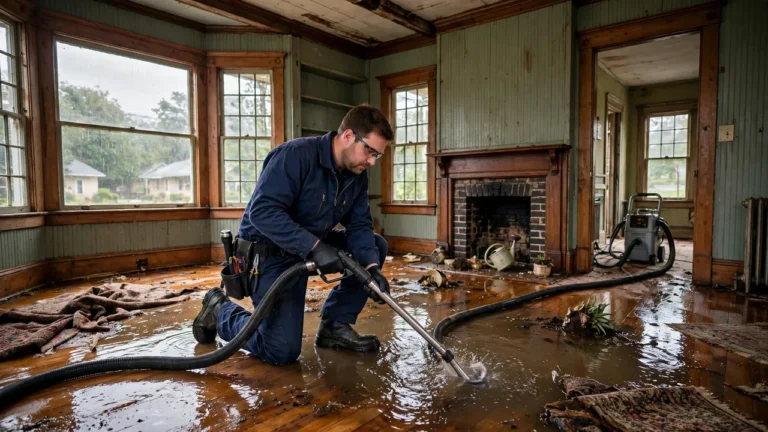
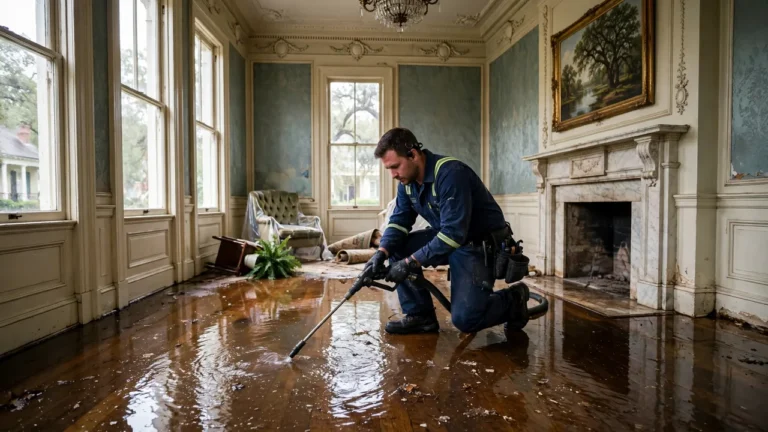
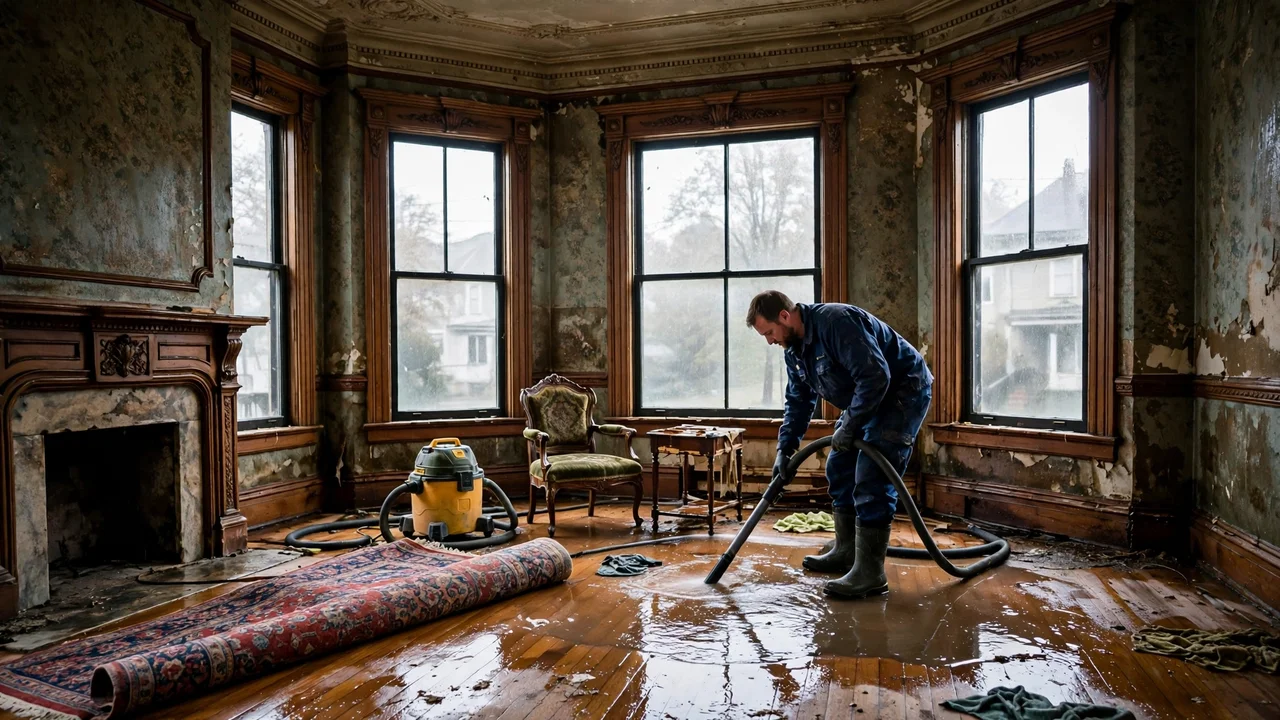
Crews remove standing water with pumps and extraction tools, then pull moisture from carpet, pad, and hard floors. Quick removal is the foundation of effective water damage restoration, because every hour of standing water pushes moisture deeper into subfloors and wall bases.
Structural Drying & Dehumidification
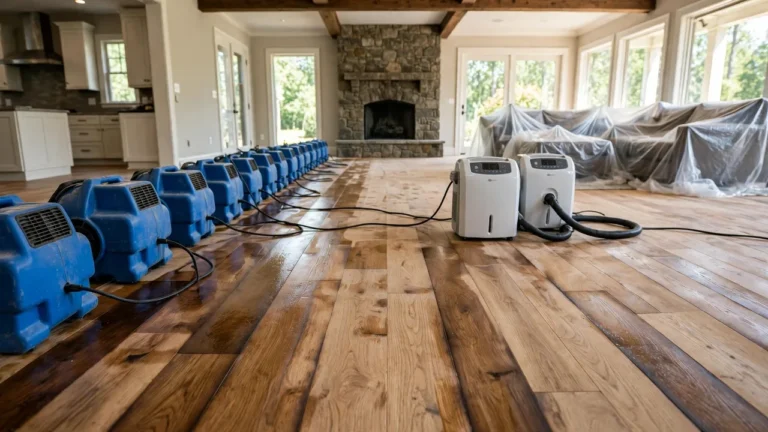
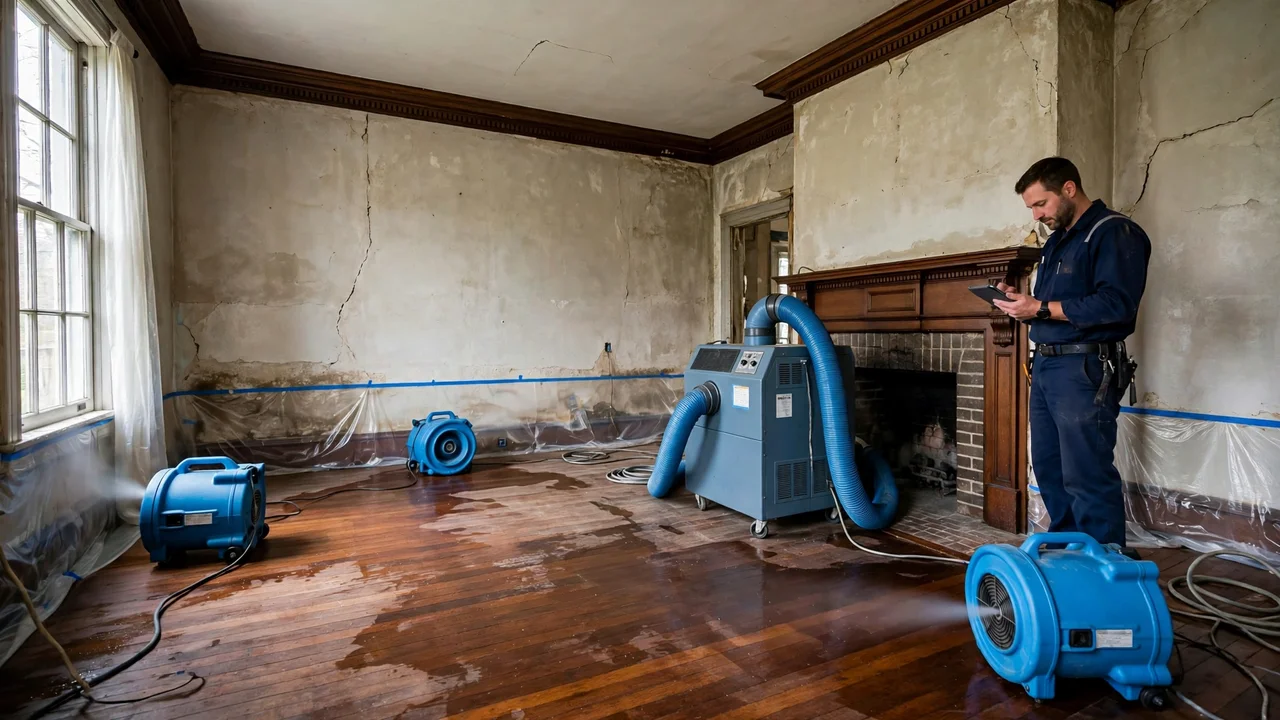
Industrial air movers and dehumidifiers dry framing, drywall, and flooring after extraction. Technicians set equipment by room size and moisture levels, then return to measure progress until readings reach normal.
Flood Cleanup
When flood water or storm runoff enters a home, crews remove silt and debris, take out unsalvageable materials, and clean and treat affected surfaces. In Dayton that usually means the Great Miami, the Mad River, or Wolf Creek rising after heavy rain, or runoff pouring off the hillsides, so crews check basements and first floors on the low ground where water settled. The home is dried thoroughly before repairs are discussed.
Burst Pipe Water Damage
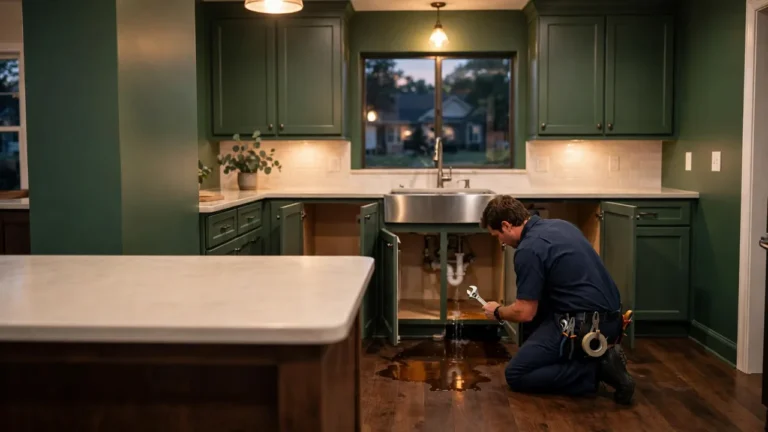
Dayton’s large stock of pre-war homes carries original or early plumbing throughout, and Ohio winters split those aging lines in exterior walls and unheated cellars every year. After the water is stopped, crews extract, dry inside walls when needed, and document the damage for your records.
Sewage Cleanup
Sewer backups require protective equipment, controlled removal, and full disinfection of affected areas. Porous items touched by sewage are usually removed rather than cleaned, for health reasons.
Mold Remediation
River-valley humidity and cool basements let mold establish on plaster, wood, and drywall within days once a home stays wet. Pros contain the area, remove affected material, and clean surrounding surfaces safely.
Common causes of water damage in Dayton
Four rivers meet here: the Great Miami, the Mad, the Stillwater, and Wolf Creek. The conservancy dams have held since 1913, but creeks, storm drains, and low streets still flood in extreme rain, and water damage restoration calls follow the low ground after every major system.
Hillside runoff is the everyday version. Neighborhoods step down from the hills to the river flats, and cloudbursts send water through yards and into downhill basements faster than drains can clear it.
The housing stock is a steady cause. Dayton built big before 1930, and those homes now carry plumbing, water heaters, and roofs at the end of their designed lives, failing at a rate whole streets share because they were built in the same years.
Basements do the rest. Finished basements are the local norm, sump pumps carry the spring water table, and a failed pump or a storm outage puts inches of water across finished floors before morning.
How much does water damage restoration cost in Dayton?
The ranges below reflect typical Dayton jobs and are meant as a planning guide, not a quote. A local pro will measure the affected area, identify the water source, and confirm the full scope in person before work begins, so you know what you are paying for.
| Job type | Typical range in Dayton |
|---|---|
| Small job (one room, clean water) | $525–$1,350 |
| Average job (several rooms) | $1,400–$4,850 |
| Large or severe job (whole home, sewage or mold) | $5,300–$14,600 |
What changes the price in Dayton
- Area size – drying one bedroom is a very different job from drying a whole ground floor and hallway.
- Water type – clean water from a supply line needs less protective handling than river flood water or sewage.
- How long water sat – a leak caught the same day may need drying only, while older damage often needs removal and repairs.
- Materials damaged – hardwood, laminate, cabinets, and drywall raise the cost more than concrete and tile, which tolerate water better.
Our water damage restoration process
Step 1 – Call and dispatch
One call, any hour, starts the process. You describe the leak or flood, a nearby pro is dispatched, and on arrival the crew begins water damage restoration by locating the source, checking for safety issues, and measuring how far moisture has traveled.
Step 2 – Inspection and moisture mapping
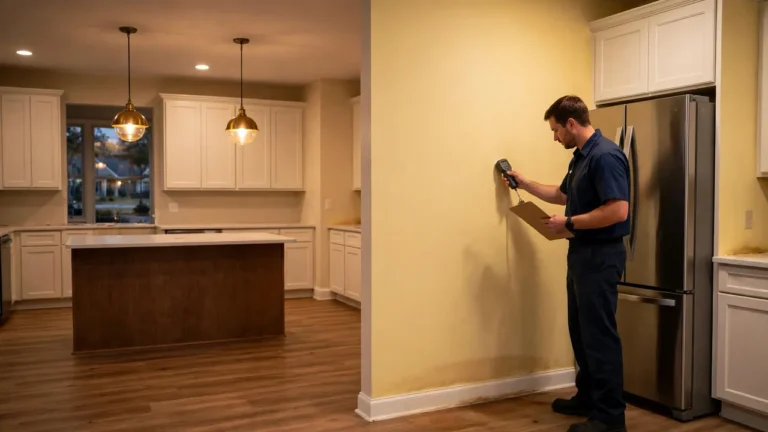
Meters and imaging tools map moisture in floors, walls, and ceilings, including spots that look dry on the surface. The crew photographs the damage and walks you through a clear plan and timeline.
Step 3 – Extraction, drying and cleaning
Pumps and vacuums remove standing water, then drying equipment runs until moisture readings reach normal levels. Affected surfaces are cleaned and treated, and unsalvageable material is removed in a controlled way.
Step 4 – Restoration and insurance documentation
After drying, repairs such as drywall patching, flooring replacement, and painting are handled or coordinated. You receive a documented file with photos, readings, and a list of completed work.
Why homeowners in Dayton call WaterDamageGo
Dayton homeowners call WaterDamageGo because one number works around the clock, from the historic districts to the hill neighborhoods and the suburbs beyond. You are connected with local licensed pros who understand river-country flooding, pre-war construction, and finished basements, and who explain water damage restoration plainly, without padded scopes.
Crews serve neighborhoods across the city, from the Oregon District and St. Anne’s Hill to Grafton Hill, Five Oaks, and the streets toward Kettering and Riverside. You get careful insurance documentation, straight guidance about what truly needs repair, and a crew that treats a one-room leak with the same seriousness as a creek-flooded basement.
Water damage restoration FAQs
With the flood-control dams, can Dayton homes still flood?
Yes. The Miami Conservancy District system protects the region from a repeat of 1913, but it does not stop creek flooding, storm-drain surcharges, groundwater, or hillside runoff, which cause most modern Dayton water losses. Basements below the water table still flood in long wet spells when pumps fail.
Does homeowners insurance cover river flooding in Dayton?
No. Rising river or creek water counts as flood damage and is excluded from standard policies; only a separate flood policy covers it. A drain or sump backup is often covered with a water backup endorsement. A pro documents the exact source on the first visit, because that distinction decides the claim.
How do crews dry a plaster historic home in the Oregon District?
Carefully and with measurements. Plaster and the wood lath behind it dry slowly and can trap moisture, so crews use gentle airflow, longer timelines, and frequent meter readings rather than quick demolition. The goal is verified dry readings with as much original material saved as those readings allow.
Why does my basement flood only in the longest rains?
Short rains drain away; long rains saturate the ground until the water table rises against the foundation and finds the floor joint, the sump pit, or a crack. That is why the same basement can stay dry for two years and flood in the third. A backup pump and sealed joints are the fixes that matter.
What should I check every spring in an older Dayton home?
The water heater’s age and base, every visible supply valve, the sump pump with a bucket test, and the basement wall base after the first heavy rain. Pre-war homes telegraph their leaks early with rust, drips, and staining. A 20-minute walk-through each spring prevents most major losses.
A leak or flood in Dayton rarely fixes itself, and waiting usually turns a drying job into a rebuilding job. One call connects you with a local licensed pro who can inspect the damage, explain the next steps in plain language, and start work sized to what your home truly needs. When you are ready, reach out and get water damage restoration in Dayton started with a local pro you can trust.
📞 Call Now - 24/7 Help in Dayton: +1 (844) 954-0617Related help: explore our water damage services, see all service areas, or find help nearby in Water Damage Restoration in Akron, OH, Water Damage Restoration in Canton, OH, Water Damage Restoration in Toledo, OH.