Water Damage Restoration in Fort Mill, SC
Water Damage Restoration in Fort Mill, SC
24/7 emergency water damage help in Fort Mill, SC — fast water extraction, structural drying and cleanup from local licensed pros.
A burst pipe in an upstairs bath or a storm that drops rain faster than drains can clear it can soak a Fort Mill home quickly. Getting water damage restoration in Fort Mill started the same day limits how far moisture spreads into floors, walls, and cabinets. WaterDamageGo connects you with a local licensed pro who can extract standing water, dry the structure, and explain every step in plain language before work begins.
Fort Mill is a fast-growing Charlotte suburb in York County, just across the state line from North Carolina, near the Catawba River. Strong thunderstorms and the remnants of tropical systems bring the heaviest local rain, and rapid growth means many homes sit in large newer subdivisions alongside older houses in town. Most newer homes are slab-built, while older homes may have crawlspaces, so water spreads across ground floors here more often than it collects below them.
📞 Call Now - 24/7 Help in Fort Mill: +1 (844) 954-0617What to do first if you find water damage in Fort Mill
Shut off the water at the main valve if you can do it safely, and stay clear of wet areas near outlets or appliances. Move small items off wet floors, take clear photos of every room, and call for help the same day. Mold can start within 24 to 48 hours on wet drywall.
Water damage services in Fort Mill
Water Extraction
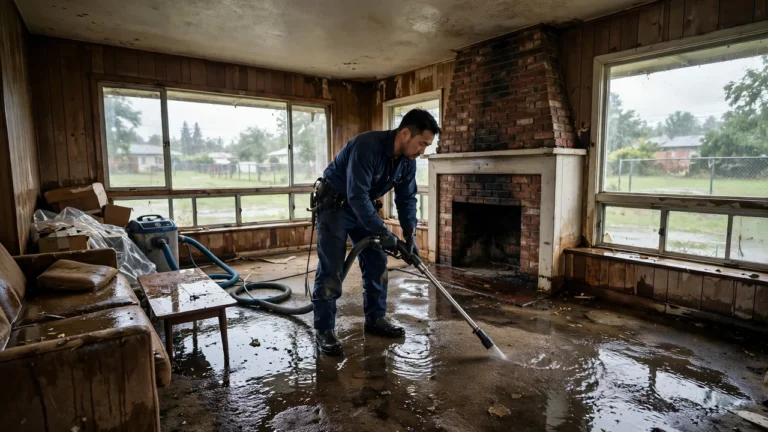
Crews remove standing water with truck-mounted and portable pumps, then lift water from carpet and pad with weighted extractors. Fast removal protects slab surfaces, wood floors, and baseboards, and it gives drying equipment a head start before moisture wicks higher into walls and cabinets.

Structural Drying & Dehumidification
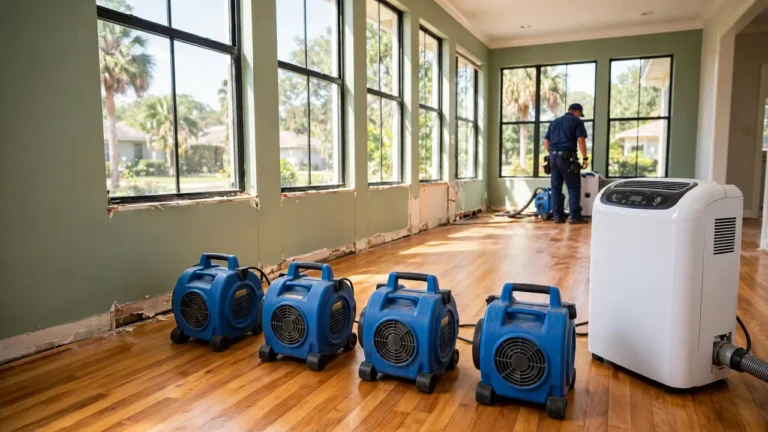
Air movers and commercial dehumidifiers pull moisture from studs, drywall, and subflooring over several days. Technicians check moisture readings daily and move equipment as areas dry, including the wall cavities and closet floors that an upstairs leak can soak on two levels at once.
Flood Cleanup
After a heavy storm, teams remove silt, debris, and unsalvageable materials, then wash and disinfect hard surfaces. Flood cleanup in Fort Mill often focuses on garages, entryways, and first-floor rooms in low areas near creeks and storm ponds when rain falls faster than drains clear.
Burst Pipe Water Damage
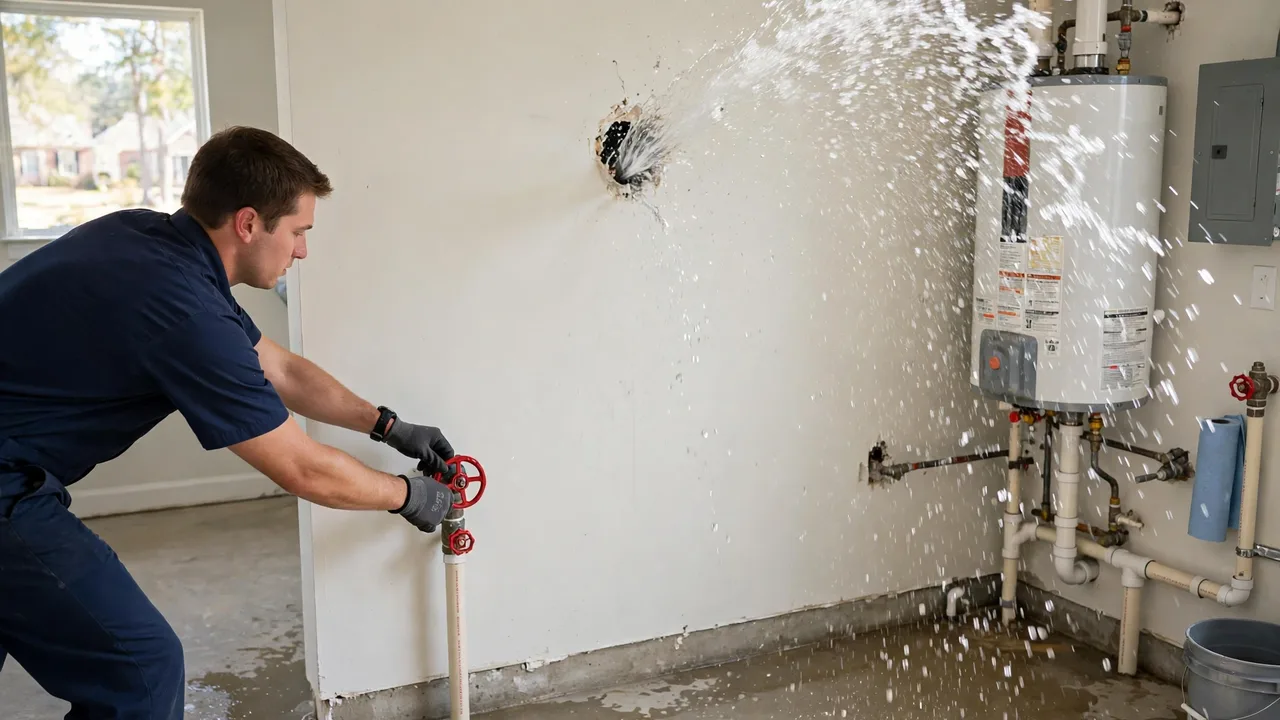
A split supply line or a failed water heater can release hundreds of gallons before anyone notices. Pros find the source, confirm the leak is stopped, and dry the wall cavities and flooring the water reached, with upstairs supply lines a common source of ceiling damage below.
Sewage Cleanup
Sewage backups carry bacteria and require protective gear, containment, and strong disinfectants. Contaminated porous materials are removed safely, and hard surfaces are cleaned and sanitized before the room returns to normal use, with extra care where a backup reaches carpet or stored items.
Mold Remediation
Where growth has started, crews seal off the work area, run negative air filtration, and remove affected material under containment. This part of water damage restoration keeps spores from spreading to clean rooms while the source moisture is fixed and verified dry.
Common causes of water damage in Fort Mill
Fort Mill homes face a mix of storm, plumbing, and appliance risks tied to fast growth and strong Carolina storms, and water damage restoration in Fort Mill most often starts with one of the problems below. Knowing the pattern helps you spot trouble early, before a small stain becomes a major repair.
Heavy thunderstorms and flash flooding. Summer storms and tropical remnants can drop intense rain in a short window, overwhelming storm drains, ponds, and low streets.
Catawba River area and creek flooding. Homes near the Catawba River and local creeks face higher risk when long rain raises water levels across the area.
Upstairs plumbing leaks. Many two-story subdivision homes place baths and laundry rooms above living space.
Appliance and water heater failures. Washing machine hoses, dishwasher lines, and aging water heaters fail without warning.
AC condensate overflows. Air conditioners run hard through hot, humid Carolina summers, and a clogged drain line or cracked pan overflows into ceilings and closets.
How much does water damage restoration cost in Fort Mill?
Every job is scoped on site, so treat the figures below as typical ranges for water damage restoration in Fort Mill, never as a quote. A small clean-water job in one room costs far less than a two-story leak or a storm flood with sewage or mold involved.
| Job type | Typical range in Fort Mill |
|---|---|
| Small job (one room, clean water) | $625–$1,400 |
| Average job (several rooms) | $1,675–$4,800 |
| Large or severe job (whole home, sewage or mold) | $6,150–$14,500 |
What changes the price in Fort Mill
- The size of the affected area and how many rooms are involved
- The type of water, whether clean, gray, or sewage-contaminated
- How long the water sat before extraction and drying began
- Whether the leak reached a second floor, ceiling, or attic space
Our water damage restoration process
Step 1 – Call and dispatch
You call one number any time, day or night, and describe what happened. A local pro is dispatched, arrives with extraction and drying equipment, and walks the home with you before any work starts, starting with the rooms in the ground floor and rooms below any upstairs leak that took the most water.
Step 2 – Inspection and moisture mapping
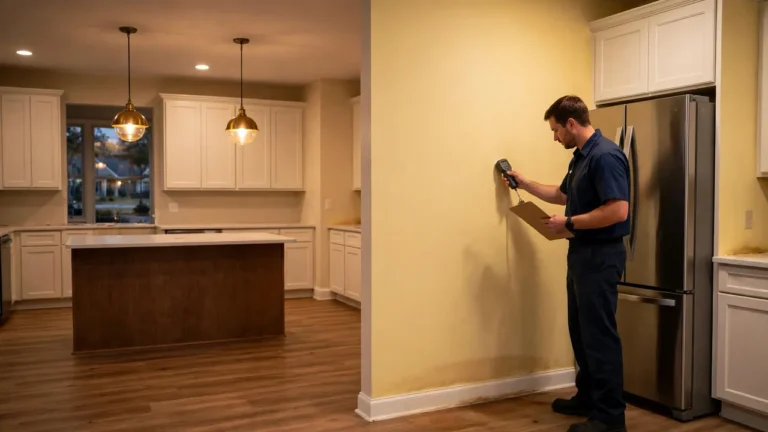
The technician finds the source, checks wall cavities and flooring with moisture meters, and maps exactly how far the water traveled. That map drives the drying plan, sets the order of the work, and gives you a clear written scope before equipment fills the room.
Step 3 – Extraction, drying, and cleaning
Standing water comes out first, then air movers and dehumidifiers run until readings reach dry levels. Affected surfaces are cleaned and sanitized, and materials that cannot be saved are removed only with your approval, with each change noted for your records.
Step 4 – Restoration and insurance documentation
Once the structure is dry, repairs such as drywall, paint, and flooring are scoped and completed in a sensible order. You receive photos, moisture logs, and an itemized invoice that you can hand straight to your insurer without sorting loose paperwork later.
Why homeowners in Fort Mill call WaterDamageGo
One call reaches help at any hour, without phoning around for quotes while water spreads across your floors. WaterDamageGo routes your call to a local licensed pro who handles water damage restoration every day in the Fort Mill area, explains honest pricing before work begins, and documents the job for insurance from the very first visit.
We serve homes across Fort Mill, from older streets in town to large newer subdivisions across York County near the Charlotte line. Whether the problem is an upstairs leak in a two-story home or storm water in a garage, you get straight guidance on what can be dried, what must go, and what it should cost.
Water damage restoration FAQs
How long can I wait before calling a water damage restoration company in Fort Mill?
Even a day or two of waiting changes the job. Clean water soaking into carpet pad and drywall paper quickly picks up bacteria and becomes harder to clean safely. Wood floors begin cupping at the edges, and an upstairs leak keeps dripping into the ceiling below while you wait.
Does homeowners insurance cover water damage in Fort Mill?
Most policies cover sudden and accidental events, like a burst supply line or a failed water heater, but exclude damage that built up slowly from a long-ignored leak. Rising water from outside during a storm is different: flood damage usually requires a separate flood policy. Check your declarations page for water backup endorsements, since sewer backup coverage is often an optional add-on with its own limit.
How long does it take to dry out a house after flooding?
Drying time depends heavily on materials. Surface water on tile may dry in two days, while wet insulation inside a wall cavity or above a ceiling can hold moisture for five days or more. Hardwood dries slower than laminate because moisture leaves through the finish unevenly.
Can I stay in my home during cleanup?
Often yes, if the affected area can be closed off and the water was clean. Sewage, heavy mold, or a home with only one working bathroom changes that answer quickly. Drying equipment is also loud, similar to several box fans running nonstop, which bothers light sleepers and pets.
How do I know if hidden moisture has turned into mold?
A persistent musty or earthy smell in one room is usually the first sign, even when walls look clean. Other clues include baseboards pulling away, bubbling paint low on a wall, a growing ceiling stain, and allergy symptoms that ease when you leave the house. Growth often hides behind cabinets and inside wall cavities, so a moisture meter reading matters more than a quick visual check.
Water in your home will not wait, and neither should you. Call now to reach a local pro who can start water damage restoration, explain your options honestly, and get drying underway today. One call handles the dispatch, the documentation, and the next steps.
📞 Call Now - 24/7 Help in Fort Mill: +1 (844) 954-0617Related help: Explore our water damage services, see all service areas, or read about Water Damage Restoration in Greenville, SC, Water Damage Restoration in Mount Pleasant, SC, and Water Damage Restoration in Mauldin, SC.
Similar Posts
 South CarolinaWater Damage Restoration in Rock Hill, SC
 South CarolinaWater Damage Restoration in North Charleston, SC
 South CarolinaWater Damage Restoration in Columbia, SC
 South CarolinaWater Damage Restoration in Charleston, SC
 South CarolinaWater Damage Restoration in Summerville, SC
 South CarolinaWater Damage Restoration in Mount Pleasant, SC