
Water Damage Restoration in Fort Worth, TX
Water Damage Restoration in Fort Worth, TX
24/7 emergency water damage help in Fort Worth, TX — fast water extraction, structural drying and cleanup from local licensed pros.
When you need water damage restoration in Fort Worth, you need help that understands how fast a Texas storm or a split pipe can fill a room. WaterDamageGo connects Fort Worth homeowners with local licensed pros who handle extraction, structural drying, and cleanup, starting with one call at any hour of the day or night.
Fort Worth mixes 1920s bungalows in Fairmount, mid-century ranch homes in Ridglea and Arlington Heights, and fast-growing subdivisions around Alliance. Each era of housing fails in its own way, and good water damage restoration in Fort Worth starts with finding the true source of the water, not just drying the spot you can see.
📞 Call Now - 24/7 Help in Fort Worth: +1 (844) 954-0617What to do first if you find water damage in Fort Worth
Shut off the water at the main valve if a pipe or appliance is leaking, and switch off power to any wet room when it is safe to do so. Photograph the damage before you move anything, keep children and pets out of the water, and call the same day, because mold can begin growing within 24 to 48 hours.
Water damage services in Fort Worth
Water Extraction
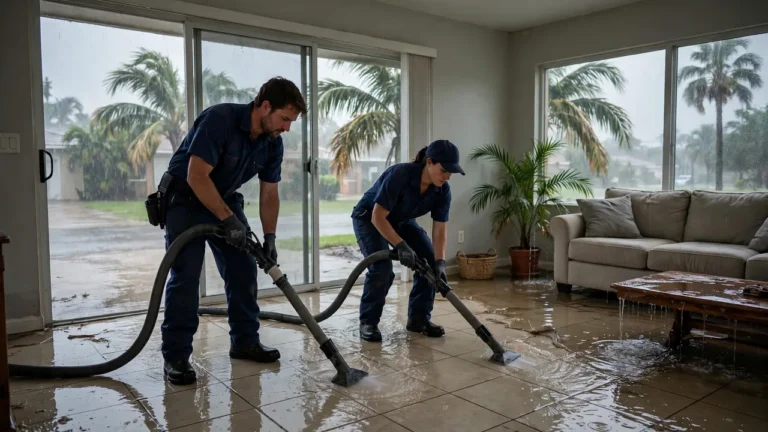
Crews remove standing water with pumps and extraction tools, then pull moisture from carpet, pad, tile, and hard floors. Quick removal is the foundation of effective water damage restoration, because every hour of standing water pushes moisture deeper into subfloors, baseboards, and the bottom plates of your walls.
Structural Drying & Dehumidification
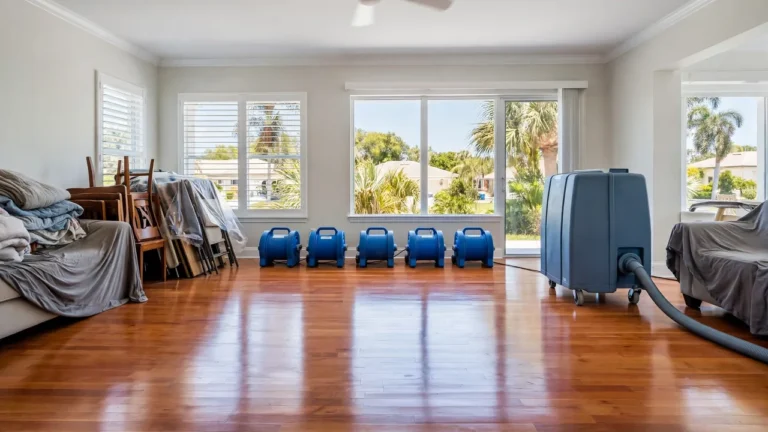
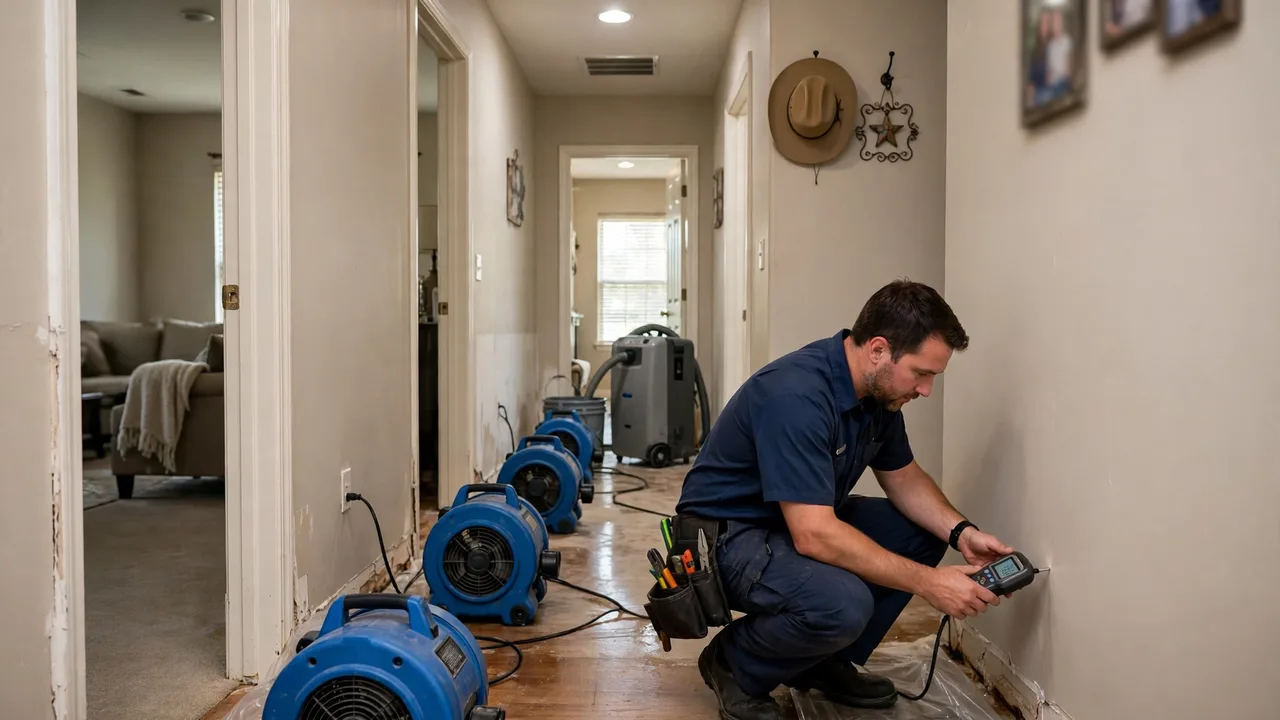
Industrial air movers and dehumidifiers dry framing, drywall, and flooring once the standing water is gone. Technicians place equipment based on room size and moisture readings, then come back to measure progress until the structure reaches normal levels.
Flood Cleanup
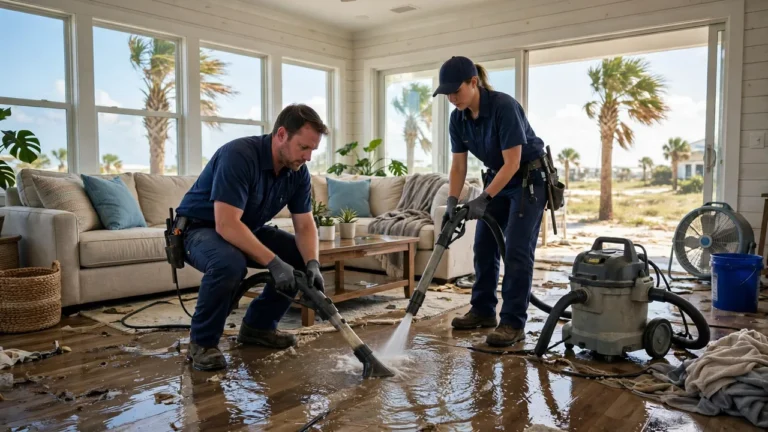
When Trinity River water or storm runoff gets inside, crews remove silt and debris, take out materials that cannot be saved, and wash and treat affected surfaces. The home is dried completely before anyone talks about repairs.
Burst Pipe Water Damage
Older Fort Worth homes often hide aging copper, galvanized, and cast iron lines that can split or pinhole without warning. Once the water is stopped, crews extract, dry inside wall cavities when needed, and document everything for your records.
Sewage Cleanup
Sewer backups call for protective gear, controlled removal, and thorough disinfection of every affected surface. Porous items touched by sewage are usually removed rather than cleaned, because the health risk is not worth taking.
Mold Remediation
North Texas heat and humidity let mold take hold inside walls, closets, and cabinets fast. Pros seal off the area, remove affected material under containment, and clean surrounding surfaces so spores do not spread through the house.
Common causes of water damage in Fort Worth
The Trinity River and its forks run right through Fort Worth, and heavy spring storms can push water over banks and into low-lying streets near Lake Worth and Benbrook Lake. When creeks rise, water damage restoration calls spike across the city as garages and ground-floor rooms take on water with very little warning.
Slab leaks are a second major cause across the Metroplex. Fort Worth sits on expansive clay soil that swells when wet and shrinks in drought, and that movement stresses foundations and the copper lines running beneath slabs until a pipe cracks and starts leaking under the floor.
Hard freezes surprise this part of Texas a few times each decade, and the February 2021 storm showed how many local homes were not ready. Pipes in attics, exterior walls, and unheated garages froze and burst across Tarrant County, then flooded rooms as they thawed.
Everyday failures finish the list. Aging water heaters in garages, washing machine hoses, ice maker lines, and clogged AC condensate drains are steady sources of leaks in Fort Worth homes, especially in older neighborhoods where original plumbing is still in service.
How much does water damage restoration cost in Fort Worth?
The ranges below reflect typical Fort Worth jobs and work as a planning guide, not a quote. A local pro will measure the affected area, find the water source, and confirm the full scope in person before work begins, so you know exactly what you are paying for.
| Job type | Typical range in Fort Worth |
|---|---|
| Small job (one room, clean water) | $650–$1,500 |
| Average job (several rooms) | $1,600–$5,300 |
| Large or severe job (whole home, sewage or mold) | $6,000–$15,800 |
What changes the price in Fort Worth
- Area size — drying one back bedroom is a very different job from drying an open-plan living area, kitchen, and hall.
- Water type — clean water from a supply line needs less protective handling than river flood water or sewage.
- How long water sat — a leak caught the same day may need drying only, while older damage often needs removal and repairs.
- Materials damaged — concrete and tile tolerate water better than hardwood, laminate, cabinets, and drywall, which raise the cost.
Our water damage restoration process
Step 1 – Call and dispatch
One call, any hour, starts the process. You describe the leak or flood, a nearby pro is dispatched, and on arrival the crew begins water damage restoration by locating the source, checking for safety issues, and measuring how far the moisture has traveled.
Step 2 – Inspection and moisture mapping
Meters and imaging tools map moisture in floors, walls, and ceilings, including areas that look perfectly dry on the surface. The crew photographs the damage and walks you through a clear plan and timeline before equipment is set.
Step 3 – Extraction, drying and cleaning
Pumps and vacuums remove the standing water, then drying equipment runs until moisture readings return to normal levels. Affected surfaces are cleaned and treated, and material that cannot be saved is removed in a controlled way.
Step 4 – Restoration and insurance documentation
After drying, repairs such as drywall patching, flooring replacement, and painting are handled or coordinated for you. You receive a documented file with photos, readings, and a list of the completed work for your insurance claim.
Why homeowners in Fort Worth call WaterDamageGo
Fort Worth homeowners call WaterDamageGo because one number works around the clock, including weekends and holidays. You are connected with local licensed pros who know the difference between a Fairmount bungalow with cast iron drains and a new Alliance build with PEX, and who explain water damage restoration honestly, without scare tactics or padded scopes.
Crews serve neighborhoods across the city, from Tanglewood and Westover Hills to the Stockyards, the Near Southside, and suburbs near Eagle Mountain Lake. You get insurance documentation, straight guidance about what truly needs repair, and a crew that treats a one-room leak with the same seriousness as a whole-home flood.
Water damage restoration FAQs
How do I know if I have a slab leak under my Fort Worth home?
Common signs are warm spots on tile or wood floors, the sound of running water when everything is off, cracks appearing in flooring, and a water bill that jumps without explanation. Clay soil movement makes slab leaks common in Tarrant County. A pro can confirm with acoustic listening equipment and pressure testing before any concrete is opened.
Does homeowners insurance cover Trinity River flooding?
Standard homeowners policies almost never cover rising water from a river or creek, no matter how sudden it is. That protection comes only from a separate flood insurance policy. Damage from a burst pipe or failed appliance inside the home is a different category and is usually covered when it is sudden and accidental. Check your policy before storm season, not after.
How long will the drying equipment need to run in my home?
Most homes need two to five days of drying, depending on how much water got in and which materials are wet. Hardwood and wall cavities hold moisture longer than tile over concrete. The crew checks readings daily and removes equipment room by room as each area reaches its dry standard, so you are not paying for machines you no longer need.
Can wet drywall be saved, or does it always come out?
Clean-water drywall that is caught early can often be dried in place with directed airflow, especially if only the lower few inches got wet. Drywall touched by flood water or sewage, or drywall that stayed wet for days, usually has to come out because contamination and mold risk sit inside the wall. The crew decides from moisture readings and water type, not guesswork.
What should I do to get ready for the next hard freeze?
Insulate exposed pipes in the attic and garage, disconnect garden hoses before cold nights, and let faucets on exterior walls drip during a hard freeze. Find your main shutoff valve and test it once a year, because valves seize over time. If you travel in winter, keep the heat running and have a neighbor check the house after the coldest nights.
A leak or flood in Fort Worth rarely fixes itself, and waiting usually turns a drying job into a rebuilding job. One call connects you with a local licensed pro who can inspect the damage, explain the next steps in plain language, and size the work to what your home truly needs. When you are ready, reach out and get water damage restoration in Fort Worth started with a local pro you can trust.
📞 Call Now - 24/7 Help in Fort Worth: +1 (844) 954-0617Related help: explore our water damage services, see all service areas, or find help nearby in Water Damage Restoration in Arlington, TX, Water Damage Restoration in Irving, TX, Water Damage Restoration in Denton, TX.