
Water Damage Restoration in Daytona Beach, FL
Water Damage Restoration in Daytona Beach, FL
24/7 emergency water damage help in Daytona Beach, FL — fast water extraction, structural drying and cleanup from local licensed pros.
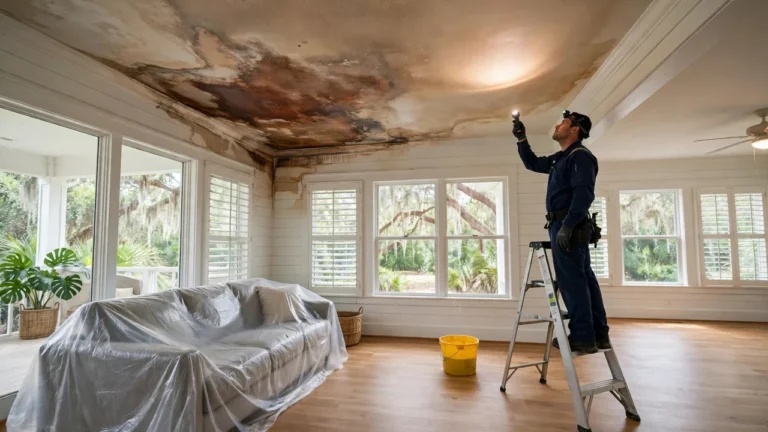
When you need water damage restoration in Daytona Beach, the cause is often written in the weather — a hurricane that parked offshore, a nor’easter, or a summer storm that dropped inches of rain in an hour. WaterDamageGo connects Daytona Beach homeowners with local licensed pros who handle extraction, structural drying, and cleanup, starting with one call at any hour.
The city splits between the beachside — older homes, condos, and cottages on the barrier island — and mainland neighborhoods west of the Halifax River. Good water damage restoration in Daytona Beach starts with finding the true source, because beachside homes fight surge and wind-driven rain while mainland homes fight river and street flooding.
📞 Call Now - 24/7 Help in Daytona Beach: +1 (844) 954-0617What to do first if you find water damage in Daytona Beach
Shut off the water at the main valve if a pipe or appliance is leaking, and switch off power to any wet room when it is safe. Photograph the damage before moving anything, keep children and pets away from the water, and call the same day, because mold can begin within 24 to 48 hours. Homeowners choose water damage restoration in Daytona Beach to stop mold growth before it starts spreading.
Water damage services in Daytona Beach
Water Extraction
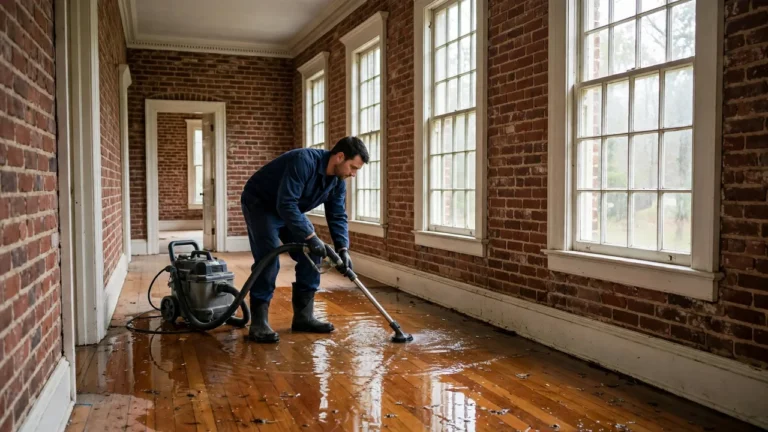
Crews remove standing water with pumps and extraction tools, then pull moisture from tile, carpet, and hard floors in houses and condos alike. Quick removal is the foundation of effective water damage restoration, because every hour of standing water pushes moisture deeper into subfloors and wall bases.
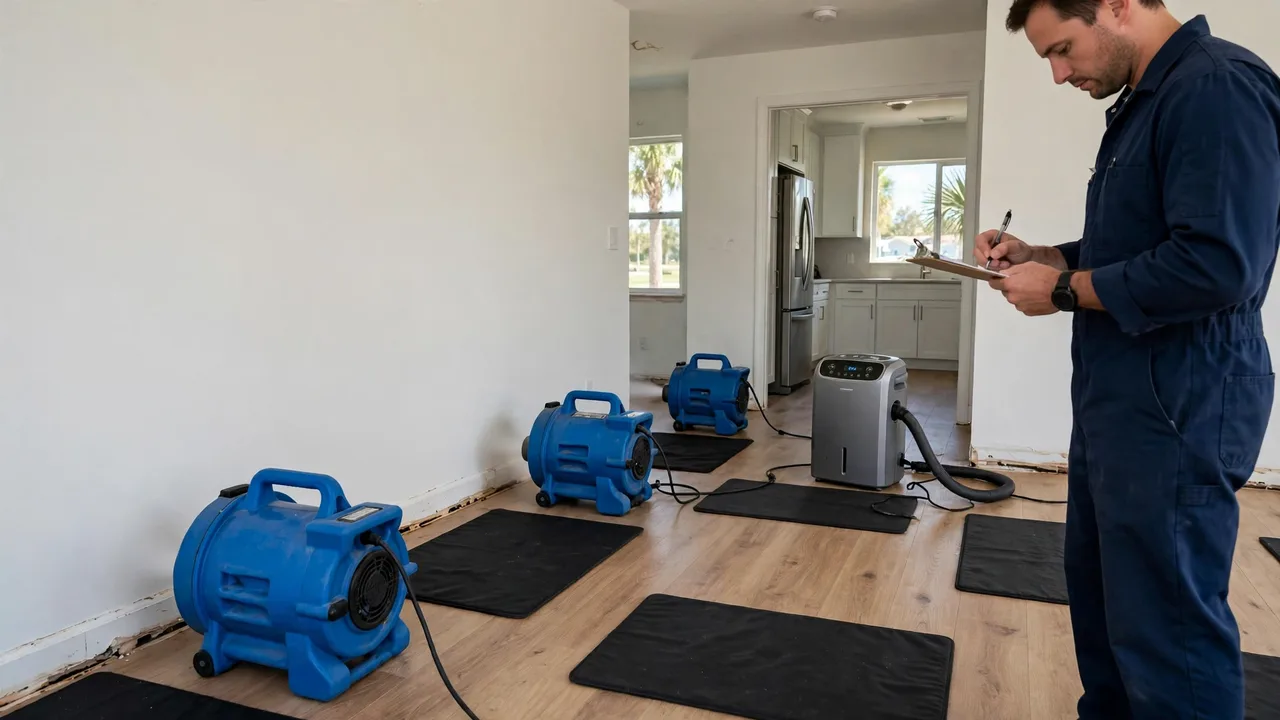
Structural Drying & Dehumidification
Industrial air movers and dehumidifiers dry framing, drywall, and flooring after extraction. Technicians set equipment by room size and moisture levels, then return to measure progress until readings reach normal. With water damage restoration in Daytona Beach, the goal is simple: remove the water, dry the structure, and make the home safe again.
Flood Cleanup
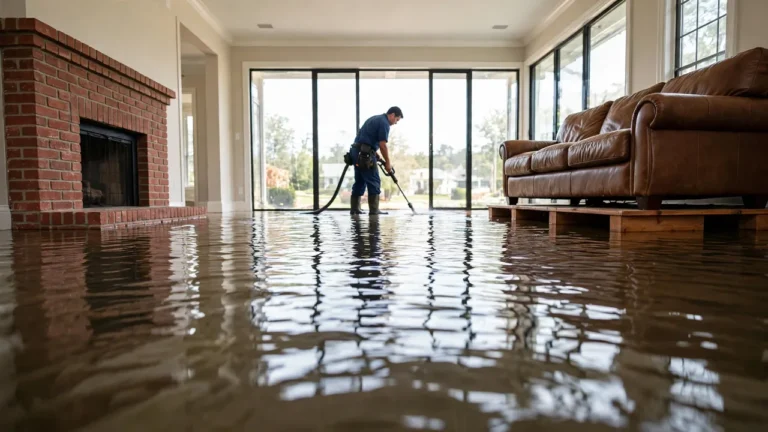
When river, surge, or street water enters a home, crews remove silt, sand, and debris, take out unsalvageable materials, and clean and treat affected surfaces. The home is dried thoroughly before repairs are discussed.
Burst Pipe Water Damage
Older beachside cottages and mid-century mainland homes carry plumbing that has aged in salt air, and lines can fail without warning. After the water is stopped, crews extract, dry inside walls when needed, and document the damage. Water damage restoration in Daytona Beach also checks for hidden moisture behind walls and under floors.
Sewage Cleanup
Sewer backups during storm flooding require protective equipment, controlled removal, and full disinfection of affected areas. Porous items touched by sewage are usually removed rather than cleaned, for health reasons.
Mold Remediation
Ocean-side humidity lets mold establish inside walls and closets quickly after any water event. Pros contain the area, remove affected material, and clean surrounding surfaces safely. After a leak or flood, Water damage restoration in Daytona Beach gives you one clear path from cleanup to full recovery.
Common causes of water damage in Daytona Beach
Hurricanes define this coast’s risk. Hurricane Ian in 2022 dropped extreme rain across Volusia County and pushed water into neighborhoods well inland from the beach, and Matthew in 2016 showed what surge and wind-driven rain do beachside. Each season carries the same lesson, and water damage restoration calls surge across the county after every landfall threat.
The Halifax River and the low ground around it form the second risk. Heavy rain with nowhere to drain leaves mainland streets and yards holding water for days, and homes in the lower neighborhoods see it reach garages and ground floors even without a named storm. The best Water damage restoration in Daytona Beach combines quick action, honest pricing, and careful follow-up checks.
Beachside buildings add condo-specific risk. Older towers and small beach motels converted to residences stack aging water heaters and AC units; one failed unit can send water through several floors before it is found.
Finally, salt air quietly ages everything. Plumbing fittings, appliance connections, and water heaters near the ocean corrode years faster than the same parts inland, so failures cluster in the beachside housing stock. During water damage restoration in Daytona Beach, technicians track moisture levels until the structure is fully dry.
How much does water damage restoration cost in Daytona Beach?
The ranges below reflect typical Daytona Beach jobs and are meant as a planning guide, not a quote. A local pro will measure the affected area, identify the water source, and confirm the full scope in person before work begins, so you know what you are paying for.
| Job type | Typical range in Daytona Beach |
|---|---|
| Small job (one room, clean water) | $575–$1,425 |
| Average job (several rooms) | $1,500–$5,100 |
| Large or severe job (whole home, sewage or mold) | $5,700–$15,200 |
What changes the price in Daytona Beach
- Area size — drying one condo room is a very different job from drying a whole mainland home after a hurricane.
- Water type — clean water from a supply line needs less protective handling than river or surge water, which also carries sand and salt that must be rinsed.
- How long water sat — homes checked right after a storm dry faster than seasonal homes opened weeks later.
- Materials damaged — tile tolerates water better than hardwood, laminate, cabinets, and drywall, which raise the cost.
Our water damage restoration process
Step 1 – Call and dispatch
One call, any hour, starts the process. You describe the leak or flood, a nearby pro is dispatched, and on arrival the crew begins water damage restoration by locating the source, checking for safety issues, and measuring how far moisture has traveled. Water damage restoration in Daytona Beach matters most in the first 24 hours, when fast drying prevents the worst damage.
Step 2 – Inspection and moisture mapping
Meters and imaging tools map moisture in floors, walls, and ceilings, including spots that look dry on the surface. The crew photographs the damage and walks you through a clear plan and timeline.
Step 3 – Extraction, drying and cleaning
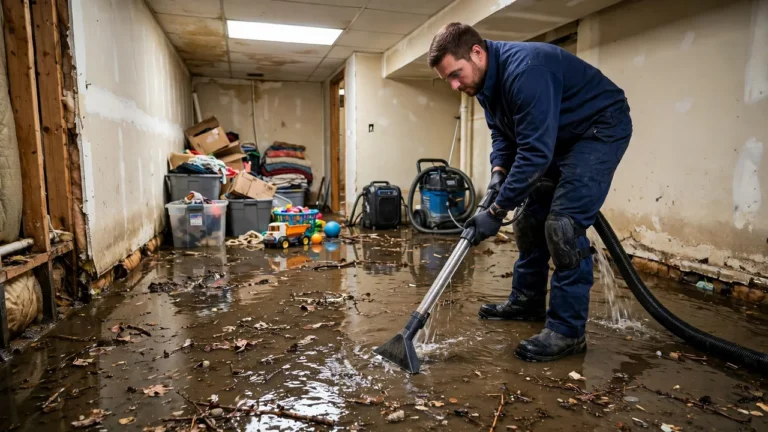
Pumps and vacuums remove standing water, then drying equipment runs until moisture readings reach normal levels. Affected surfaces are cleaned and treated, and unsalvageable material is removed in a controlled way. Water damage restoration in Daytona Beach should start fast, because standing water causes more damage with every passing hour.
Step 4 – Restoration and insurance documentation
After drying, repairs such as drywall patching, flooring replacement, and painting are handled or coordinated. You receive a documented file with photos, readings, and a list of completed work.
Why homeowners in Daytona Beach call WaterDamageGo
Daytona Beach homeowners call WaterDamageGo because a single number works around the clock, from beachside cottages and condos to mainland neighborhoods like Indigo Lakes and the LPGA area. You are connected with local licensed pros who know hurricane recovery, river flooding, and salt-air plumbing, and who explain water damage restoration honestly, without scare tactics or padded scopes. For most homes, Water damage restoration in Daytona Beach begins with a full inspection and a clear drying plan.
Crews serve neighborhoods across the city, including South Daytona’s border streets, Midtown, and the beachside from Seabreeze to the Dunlawton corridor. You get careful insurance documentation, straight guidance about what truly needs repair, and a crew that treats a one-room leak with the same seriousness as a whole-home flood.
Water damage restoration FAQs
We evacuated for a hurricane. What do we check first when we return?
Photograph everything before you touch it, starting outside: roof condition, water lines on walls, debris marks. Inside, check the water heater, under sinks, and the base of every wall before turning power back on to wet areas. If water got in, call before you start tearing anything out — the crew’s readings and photos taken early are the backbone of a storm claim.
Does wind-driven rain damage count the same as flooding for insurance?
No, and the difference decides claims. Rain that entered through a wind-damaged roof or window opening is generally treated as storm damage under a homeowners policy, while water that rose from the ground is flood and needs a flood policy. Tell the crew exactly how the water entered your home — through the roof, a window, or under the doors — because that description goes into the documentation.
Our condo association handles the building. What is my responsibility after a leak?
Typically the association’s master policy covers the structure and common elements, while your own policy covers your interior finishes, contents, and any damage your unit’s leak causes below. In practice, you should get drying started in your unit right away rather than waiting for the association to debate it, keep every receipt, and share the crew’s documentation with both insurers.
How do I protect a beachside home that sits empty between visits?
Shut off the main water valve each time you leave, keep the AC set to control humidity, and use leak sensors with phone alerts near the water heater and under sinks. After any storm with a name, have someone walk the property within days, not weeks. Salt air plus an undetected leak is the most expensive combination we see on the beachside.
Why do the crews rinse after surge or river water?
Outside water leaves behind salt and silt that keep attracting moisture and corroding metal long after the visible water is gone. A fresh-water rinse of affected surfaces and materials is part of proper extraction after surge or river flooding. Skipping it is one reason some storm homes still smell and feel damp months later even though they were supposedly dried.
A leak or flood in Daytona Beach rarely fixes itself, and waiting usually turns a drying job into a rebuilding job. One call connects you with a local licensed pro who can inspect the damage, explain the next steps in plain language, and start work sized to what your home truly needs. When you are ready, reach out and get Daytona Beach water damage restoration started with a local pro you can trust.
📞 Call Now - 24/7 Help in Daytona Beach: +1 (844) 954-0617Related help: explore our water damage services, see all service areas, or find help nearby in Water Damage Restoration in Deltona, FL, Water Damage Restoration in Sanford, FL, Water Damage Restoration in Melbourne, FL.
If you are in Deltona and dealing with the same problem, our water damage restoration in Deltona team is ready to help there too, with the same fast response and careful cleanup.
Similar Posts
 FloridaWater Damage Restoration in Sarasota, FL
 FloridaWater Damage Restoration in West Palm Beach, FL
 FloridaWater Damage Restoration in Port St. Lucie, FL
 FloridaWater Damage Restoration in Pembroke Pines, FL
 FloridaWater Damage Restoration in Palm Bay, FL
 FloridaWater Damage Restoration in Melbourne, FL