Water Damage Restoration in Wake Forest, NC
Water Damage Restoration in Wake Forest, NC
24/7 emergency water damage help in Wake Forest, NC — fast water extraction, structural drying and cleanup from local licensed pros.
A split pipe or a storm rolling down from Falls Lake can leave a Wake Forest home soaked before dinner. Getting water damage restoration in Wake Forest started the same day limits how far moisture spreads into floors, walls, and cabinets. WaterDamageGo connects you with a local licensed pro who can extract standing water, dry the structure, and explain each step in plain language before any work begins.
Wake Forest sits north of Raleigh in northern Wake County, just south of Falls Lake and east of the Neuse River. Heavy rain and hurricane remnants can raise creeks that run through town and push water into low yards and crawlspaces. The housing mix sets this town apart: older homes near historic downtown may have basements, while the large newer subdivisions to the east and south mostly sit on slabs or crawlspaces.
📞 Call Now - 24/7 Help in Wake Forest: +1 (844) 954-0617What to do first if you find water damage in Wake Forest
Turn off the main water valve if you can reach it safely, and stay out of wet areas near outlets or a breaker panel. Take photos and a short video of every affected room before anything is moved. Then call for help the same day, because mold can start growing within 24 to 48 hours on wet drywall and wood. Homeowners choose water damage restoration in Wake Forest to stop mold growth before it starts spreading.
Water damage services in Wake Forest
Water Extraction
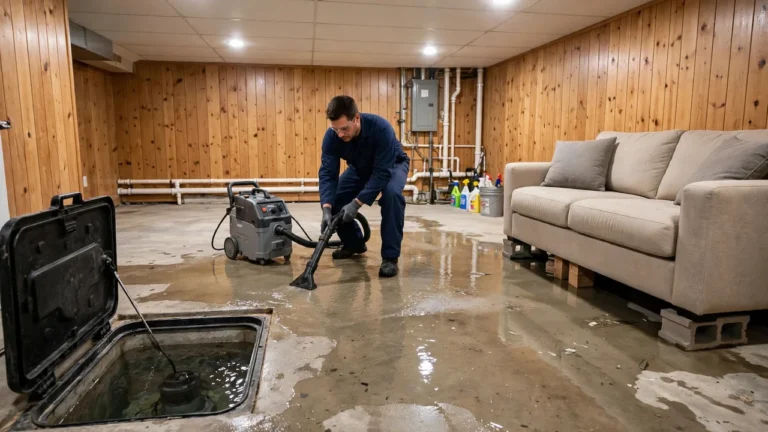
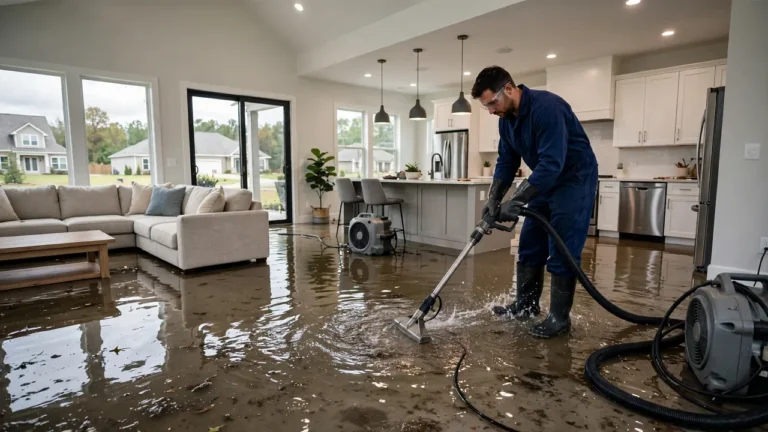
Crews remove standing water with truck-mounted and portable pumps, then lift it from carpet and pad with weighted extractors. Fast water removal protects slab surfaces and baseboards and gives drying equipment a head start.
Structural Drying & Dehumidification
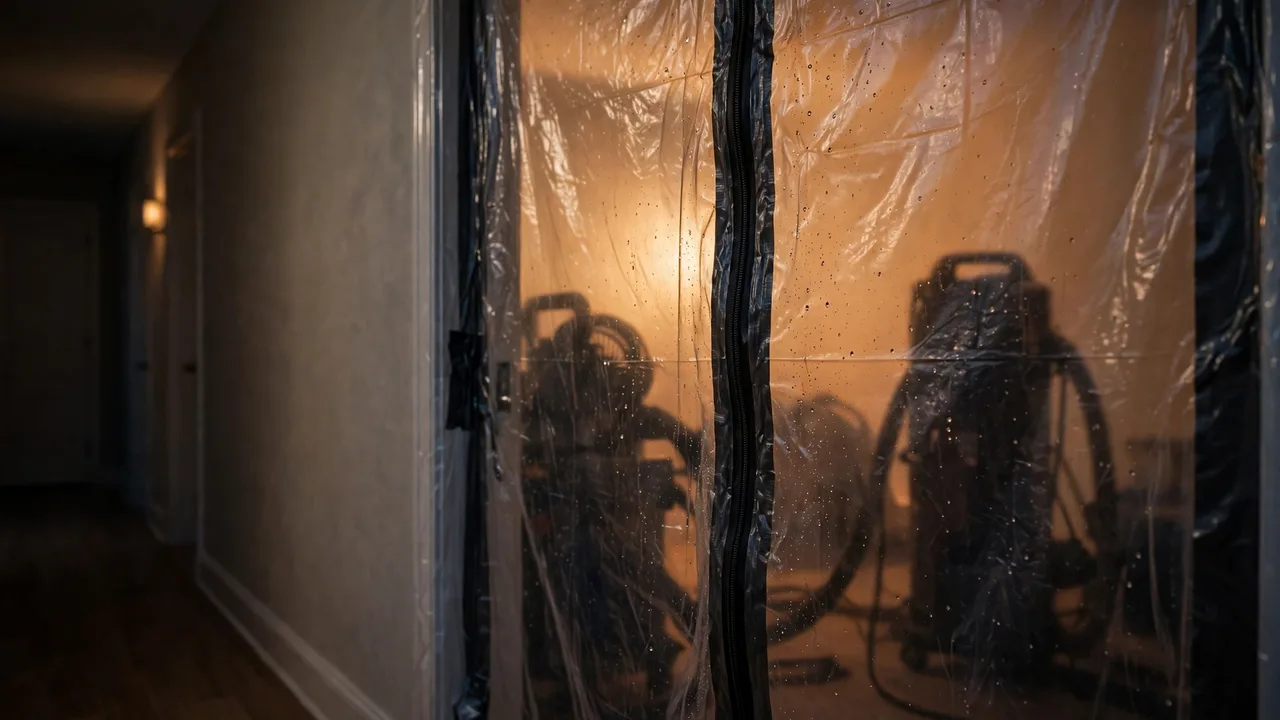
Air movers and commercial dehumidifiers pull moisture from studs, drywall, and subflooring over several days. Technicians check moisture readings daily and move equipment until each material reaches its dry standard. With water damage restoration in Wake Forest, the goal is simple: remove the water, dry the structure, and make the home safe again.
Flood Cleanup
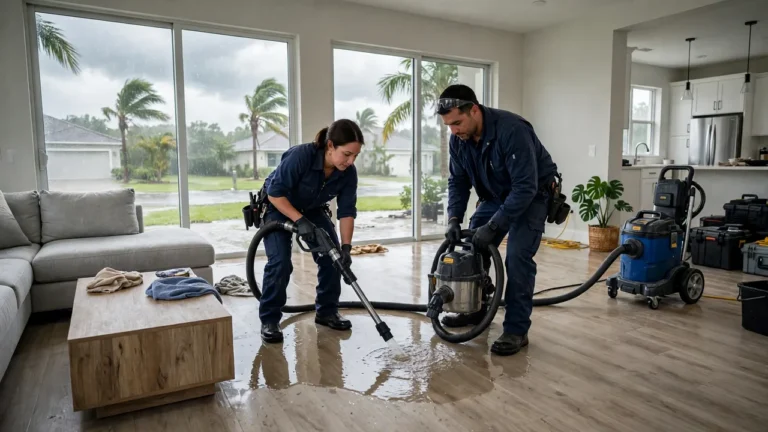
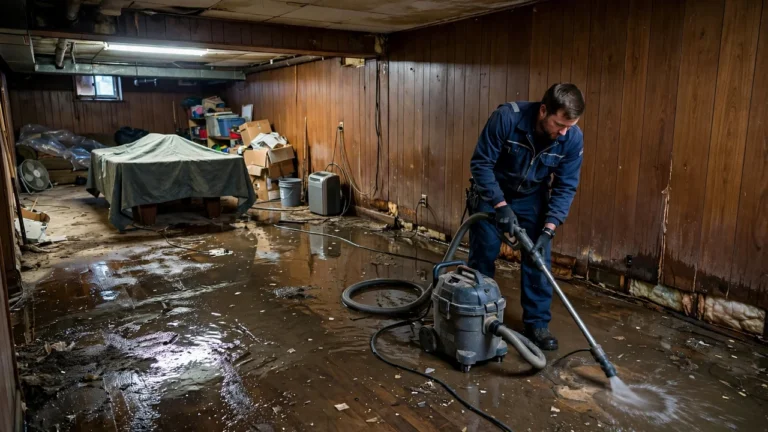
After storm flooding, crews clear silt, debris, and unsalvageable materials, then wash and disinfect surfaces. Flood cleanup in Wake Forest often focuses on basements in older homes, garages, and ground floors near creeks that feed the Neuse River.
Burst Pipe Water Damage
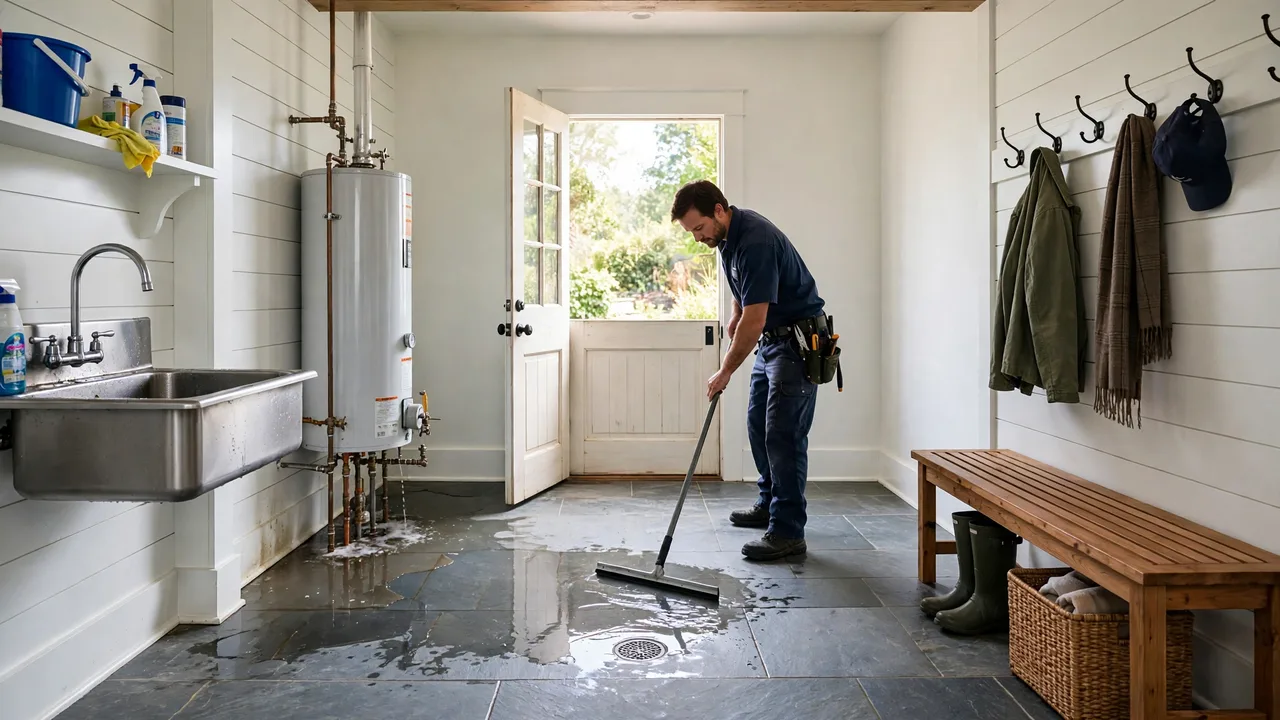
A split supply line or a failed water heater can release hundreds of gallons before anyone notices. Pros find the source, confirm the leak is stopped, and dry the wall cavities and flooring the water reached. Water damage restoration in Wake Forest also checks for hidden moisture behind walls and under floors.
Sewage Cleanup
Sewage backups carry bacteria and require protective gear, containment, and hospital-grade disinfectants. Contaminated porous materials are removed safely, and hard surfaces are cleaned and sanitized before the room returns to use.
Mold Remediation
Where growth has started, crews seal off the work area, run negative air filtration, and remove affected material under containment. This part of water damage restoration keeps spores from spreading to clean rooms while the source moisture is fixed. After a leak or flood, Water damage restoration in Wake Forest gives you one clear path from cleanup to full recovery.
Common causes of water damage in Wake Forest
From historic downtown and Heritage to Wakefield and the subdivisions along Capital Boulevard, homes face a mix of storm, plumbing, and appliance risks, and water damage restoration in Wake Forest most often starts with one of the problems below. Knowing the pattern helps you spot trouble early.
Creek and Neuse River area flooding. Wake Forest drains toward the Neuse River, and intense rain or a tropical remnant can push local creeks out of their banks. Low lots, walkout basements, and garages take the first water. The best Water damage restoration in Wake Forest combines quick action, honest pricing, and careful follow-up checks.
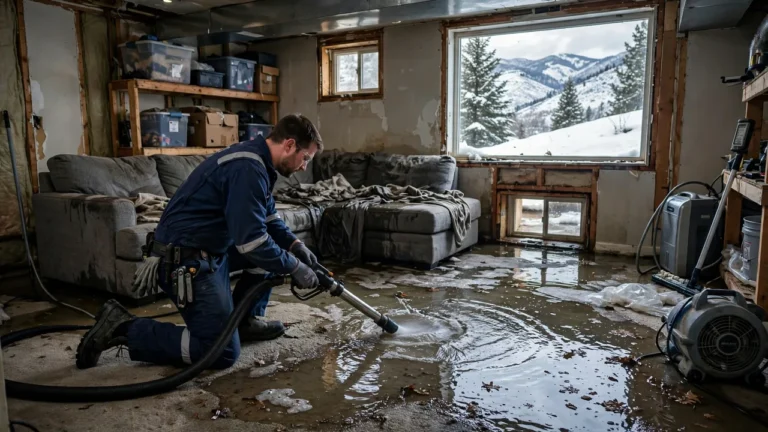
Basement seepage in older homes. Older houses near downtown sometimes take water through foundation walls and floor joints after days of rain raise the water table. A damp basement left alone quickly becomes a mold problem upstairs too.
Winter freeze and burst pipes. Cold snaps freeze exposed lines in crawlspaces, unheated basements, and exterior walls. Owners often find the damage at thaw, when a split pipe starts spraying inside a wall cavity. During water damage restoration in Wake Forest, technicians track moisture levels until the structure is fully dry.
Appliance and water heater failures. Washing machine hoses, dishwasher lines, and aging water heaters fail with little warning. In two-story homes, an upstairs laundry leak can damage ceilings, walls, and floors on two levels at once.
Roof leaks during wind-driven rain. Storms work rain under worn shingles and flashing, and tall trees around many Wake Forest lots drop limbs that puncture roofs. Water then travels along framing before it finally shows as a stain. Water damage restoration in Wake Forest matters most in the first 24 hours, when fast drying prevents the worst damage.
How much does water damage restoration cost in Wake Forest?
Every job is scoped on site, so treat the figures below as typical ranges for Wake Forest water damage restoration, never as a quote. A small clean-water job in one room costs far less than a whole-home flood with sewage or mold.
| Job type | Typical range in Wake Forest |
|---|---|
| Small job (one room, clean water) | $600–$1,425 |
| Average job (several rooms) | $1,650–$4,850 |
| Large or severe job (whole home, sewage or mold) | $6,100–$14,400 |
What changes the price in Wake Forest
- The size of the affected area and how many rooms are involved
- The type of water, whether clean, gray, or sewage-contaminated
- How long the water sat before extraction and drying began
- The materials damaged, such as hardwood, tile, drywall, or cabinets
Our water damage restoration process
Step 1 – Call and dispatch
You call one number any time, day or night, and describe what happened. A local pro is dispatched, arrives with extraction and drying equipment, and walks the home with you before any work starts. Water damage restoration in Wake Forest should start fast, because standing water causes more damage with every passing hour.
Step 2 – Inspection and moisture mapping
The technician finds the source, checks wall cavities and flooring with moisture meters, and maps exactly how far the water traveled. That map drives the drying plan and gives you a clear written scope.
Step 3 – Extraction, drying, and cleaning
Standing water comes out first, then air movers and dehumidifiers run until readings are dry. Affected surfaces are cleaned and sanitized, and materials that cannot be saved are removed with your approval. For most homes, Water damage restoration in Wake Forest begins with a full inspection and a clear drying plan.
Step 4 – Restoration and insurance documentation
Once the structure is dry, repairs such as drywall, paint, and flooring are scoped and completed. You receive photos, moisture logs, and an itemized invoice that you can hand straight to your insurer.
Why homeowners in Wake Forest call WaterDamageGo
One call reaches help at any hour, without phoning around for quotes while water spreads. WaterDamageGo routes your call to a local licensed pro who handles water damage restoration every day in the Wake Forest area, explains honest pricing before work begins, and documents the job for insurance from the first visit.
We serve homes across historic downtown Wake Forest, Heritage, Wakefield, Holding Village, and neighborhoods along Capital Boulevard and NC-98. Whether the problem is a wet basement in an older home or a burst pipe in a new subdivision build, you get straight guidance on what can be dried, what must go, and what it should cost.
Water damage restoration FAQs
How long can I wait before calling a water damage restoration company in Wake Forest?
Even a day or two of waiting changes the whole job. Clean water soaking into carpet pad and drywall paper quickly picks up bacteria and becomes harder to clean safely. Wood floors begin cupping at the edges, paint can blister as moisture pushes outward, and hardwood may never lie flat again. Insurers also look more closely at claims where mitigation started late, so a prompt call protects both your home and your paperwork.
Does homeowners insurance cover water damage in Wake Forest?
Most policies cover sudden and accidental events, like a burst supply line or a failed water heater, but they exclude damage that built up slowly from an ignored leak. Groundwater seeping into a basement and rising creek water usually fall outside a standard policy and may need separate flood coverage. Check your declarations for a water backup endorsement as well, because sump and sewer backup protection is often an optional add-on with its own limit.
How long does it take to dry out a house after flooding?
A ground-floor room on tile may dry in two days, while a finished basement with wet insulation and paneling can take a week of steady drying. Professionals log moisture readings each day and keep equipment running until wood and drywall hit their dry standard, since guessing by touch leaves hidden moisture behind to feed mold later.
Can I stay in my home during cleanup?
Often yes, when crews can isolate the damaged area and the water involved was clean. A flooded only bathroom, sewage contamination, or heavy mold in a basement can make staying difficult or unsafe. Drying equipment also runs loudly around the clock, which matters for light sleepers and home offices. If you must leave for a few nights, ask about additional living expense coverage, which many policies include for exactly this situation.
How do I know if hidden moisture has turned into mold?
A persistent musty smell, especially in a basement or a room above a crawlspace, is usually the earliest warning. Growth commonly hides behind basement paneling and inside wall cavities in this humid climate, so arrange a moisture check after any serious leak instead of trusting a quick visual scan.
Water in your home will not wait, and neither should you. Call now to reach a local pro who can start water damage restoration, explain your options honestly, and get drying underway today. One call handles the dispatch, the documentation, and the next steps.
📞 Call Now - 24/7 Help in Wake Forest: +1 (844) 954-0617Related help: Explore our water damage services, see all service areas, or read about Water Damage Restoration in Cary, NC, Water Damage Restoration in Garner, NC, and Water Damage Restoration in Apex, NC.
If you are in Asheville and dealing with the same problem, our water damage restoration in Asheville team is ready to help there too, with the same fast response and careful cleanup.
Similar Posts
 North CarolinaWater Damage Restoration in Wilmington, NC
 North CarolinaWater Damage Restoration in Greensboro, NC
 North CarolinaWater Damage Restoration in Fayetteville, NC
 North CarolinaWater Damage Restoration in Durham, NC
 North CarolinaWater Damage Restoration in Concord, NC
 North CarolinaWater Damage Restoration in Asheville, NC